Introduction:

Choosing between online learning vs offline learning has become one of the biggest decisions for students and professionals today. From digital marketing and graphic design to data analytics and programming, almost every course is now available in both formats. While online learning offers flexibility, offline learning provides a structured environment with direct interaction and hands-on practice.
The right choice depends on your learning style, career goals, schedule, and the type of skills you want to develop. For practical, job-oriented courses, the learning experience can significantly impact how well you understand concepts and apply them in real-world situations.
In this guide, we’ll compare online learning vs offline learning, discuss the advantages and limitations of each, and help you decide which approach is best for your career
What Is Online Learning?

Online learning is a method of education where students attend classes through the internet instead of visiting a physical classroom. Lessons may be delivered through live sessions, recorded videos, webinars, or learning platforms that allow students to study from anywhere.
One of the biggest reasons people choose online learning is convenience. Learners can study from home, save commuting time, and often access course materials whenever they need them. This makes it a popular option for working professionals and people with busy schedules.
However, online learning also requires discipline. Since there is less supervision, students need to stay motivated and follow a consistent study routine to complete the course successfully.
What Is Offline Learning?

Offline learning, also known as classroom learning, takes place in a physical training institute or educational center where students learn directly from instructors. Classes follow a fixed schedule and encourage active participation through discussions, practical exercises, and group activities.
Offline learning provides immediate interaction with trainers and classmates. Students can ask questions during the session, receive instant feedback, and participate in collaborative learning experiences.
For skill-based courses that involve practical training, classroom learning often creates a more engaging and focused environment.
Online Learning vs Offline Learning: Comparison Table
| Feature | Online Learning | Offline Learning |
|---|
| Flexibility | High | Moderate |
| Classroom Interaction | Limited | Excellent |
| Doubt Solving | Scheduled | Immediate |
| Practical Sessions | Depends on the course | Hands-on practice |
| Networking | Virtual | Face-to-face |
| Learning Environment | Home | Dedicated classroom |
| Self-Discipline Required | High | Moderate |
| Trainer Access | Limited | Direct |
| Group Activities | Limited | Frequent |
| Career Support | Varies | Usually Better |
Both methods have strengths, but the better choice depends on your learning preferences and career objectives.
Benefits of Online Learning
Online learning has transformed education by making quality courses accessible to learners across different locations.
Learn from Anywhere
Students can attend classes without relocating or commuting, making education more accessible.
Flexible Schedule
Many online courses allow learners to study at their own pace or attend live evening and weekend classes.
Affordable Learning
Online courses are often more affordable because they require less infrastructure.
Access to Recorded Sessions
Many platforms provide recorded lectures, allowing students to revisit difficult topics whenever needed.
These benefits make online learning suitable for people who need flexibility and prefer independent study.
Benefits of Offline Learning
Offline learning continues to be the preferred choice for many students because it creates a structured learning experience.
Better Classroom Interaction
Students can communicate directly with trainers, making learning more interactive and engaging.
Instant Doubt Resolution
Questions can be answered immediately without waiting for scheduled sessions or online forums.
Practical Experience
Many classroom courses include live projects, practical exercises, and demonstrations that improve real-world skills.
Improved Focus
Learning in a dedicated classroom reduces distractions and encourages consistent attendance.
Stronger Professional Network
Students interact with classmates, trainers, and industry professionals, helping them build valuable career connections.
Online Learning vs Offline Learning for Skill-Based Courses
When comparing online learning vs offline learning for practical courses, the type of training becomes an important factor.
Courses such as digital marketing, graphic designing, video editing, data analytics, and UI/UX design involve practical assignments, software tools, and real-world projects. Learning these skills often becomes easier when students receive direct guidance from experienced trainers.
While online courses can teach theoretical concepts effectively, classroom learning usually offers more opportunities for live demonstrations, practical exercises, and immediate feedback.
Which Learning Method Is Better for Beginners?
Beginners often benefit from a structured classroom environment because they receive continuous support throughout the learning process.
In offline learning, trainers can identify mistakes, explain difficult concepts differently, and provide practical examples based on each student’s progress.
Online learning can also work well for beginners, but it usually requires greater self-motivation and consistency.
If you’re completely new to a subject, classroom learning often helps build confidence more quickly.
When Should You Choose Online Learning?
Online learning may be the right choice if you:
- Have a full-time job.
- Need a flexible schedule.
- Live far from training institutes.
- Prefer learning independently.
- Already have basic knowledge of the subject.
- Can stay disciplined without classroom supervision.
When Should You Choose Offline Learning?
Offline learning is often the better option if you:
- Are learning a new skill.
- Prefer face-to-face interaction.
- Need immediate trainer support.
- Learn better through practical sessions.
- Want networking opportunities.
- Prefer a structured classroom environment.
- Are preparing for interviews or job placements.
Why Offline Learning Still Matters
Technology has made education more accessible than ever, but classroom learning continues to play an important role in skill development.
Being physically present in a classroom encourages active participation, improves communication skills, and creates an environment where students learn from both trainers and peers.
For practical courses, classroom discussions, live demonstrations, and collaborative projects often provide learning experiences that are difficult to replicate online.
Why GICT Focuses on Offline Learning
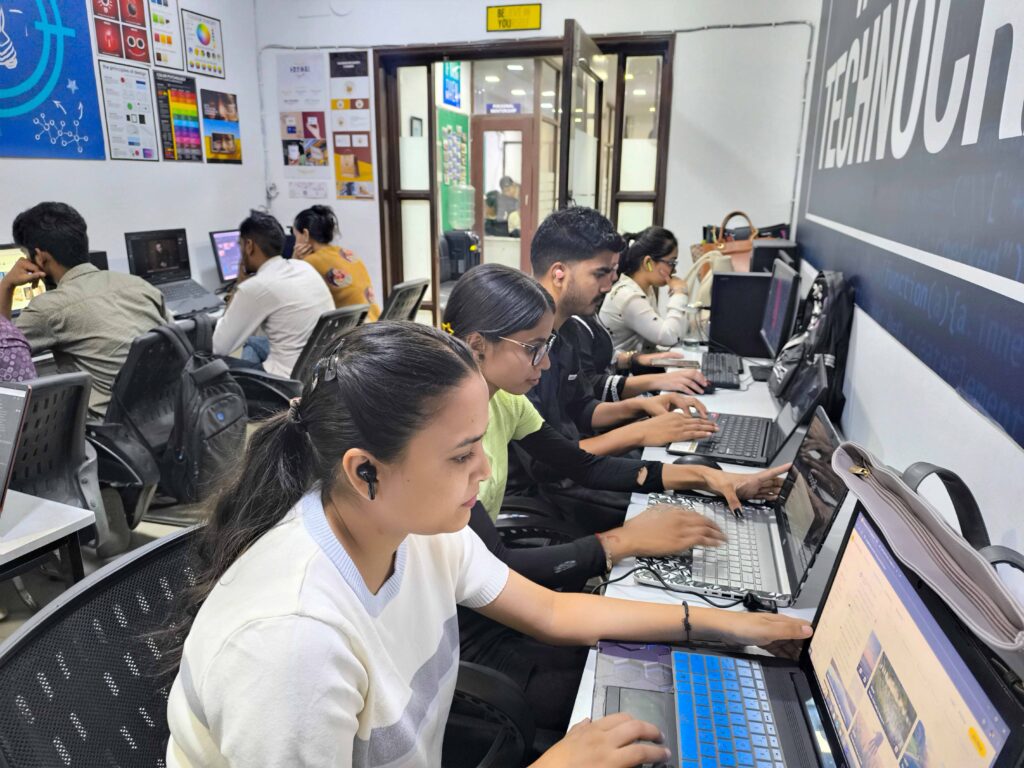
At GICT, we believe that practical skills are best developed through face-to-face learning and hands-on experience. That’s why we specialize in offline classroom training instead of online courses.
Students learn directly from experienced trainers through live demonstrations, practical assignments, case studies, and interactive classroom sessions. This approach allows learners to ask questions instantly, practice with guidance, and build confidence while working on real-world projects.
For career-focused programs such as Digital Marketing, Data Analytics, Graphic Designing, Video Editing, Motion Graphics, UI/UX Design, Advanced Excel, and Tally with GST, classroom learning helps students gain practical knowledge that employers value.
Conclusion
The debate between online learning vs offline learning doesn’t have a single answer because every learner has different needs. Online learning offers convenience, flexibility, and accessibility, making it suitable for independent learners and busy professionals.
However, if your goal is to develop practical skills, interact with experienced trainers, participate in live projects, and prepare for a successful career, offline learning remains one of the most effective options. Before choosing any course, consider your learning style, career goals, and the level of support you need to achieve long-term success.
Frequently Asked Questions
Both have advantages. Online learning offers flexibility, while offline learning provides better interaction, practical training, and immediate support.
For practical and career-oriented skills, offline learning often provides a more engaging and hands-on learning experience.
Yes. Many training institutes offer evening and weekend classroom batches for working professionals.
It can be, but beginners often learn faster in a classroom where trainers provide direct guidance and regular feedback.
No. GICT specializes in offline classroom training to provide students with interactive learning, practical exposure, and direct trainer support.