Interview Skills: Your Best Friend for an Interview
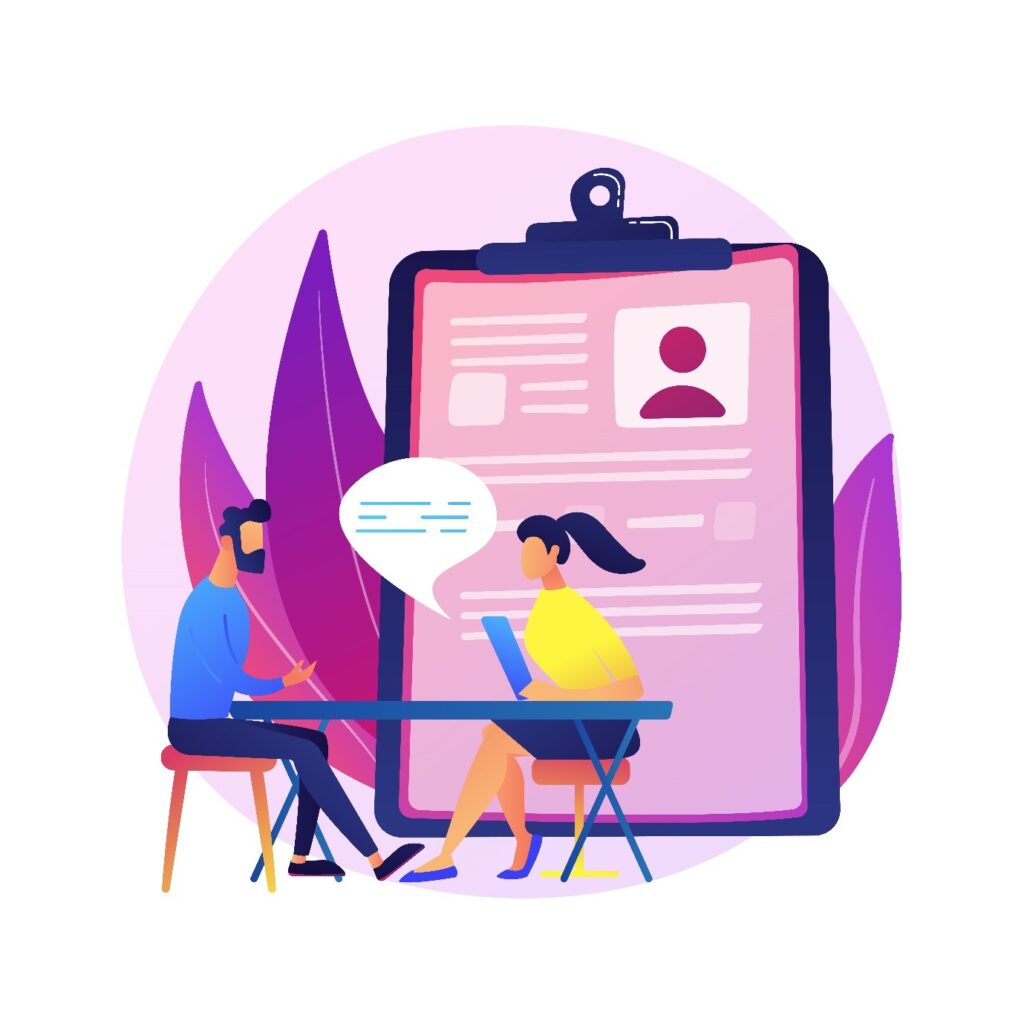
An interview is an opportunity that gives you a chance to test your personality, mindset, attitude, and many more. Interview can show you things you need to focus on in the future. Interview skills like communication, active listening, confidence, and attitude can make a good impression on the interviewer.
What are Interview Skills?
Interview skills are the personality traits that could be used in an interview to reflect a positive attitude toward the interviewer. Good interview skills can effectively convey your skills. An Interview skills can give an overview of your personality and traits that may benefit the company. This Interview skills also show your activeness and seriousness towards work. Your interview skills decide whether you will get the job or not. And these skills help you to convey a good message through non-verbal communication.
Why do we need interview skills?
Sometimes, there are situations where you cannot convey your message effectively in words. Interview skills help us to transfer our message through verbal or non-verbal communication.
Interview skills help us groom ourselves according to the workplace.
An Interview skills help us understand what we needs to be done to get a job.
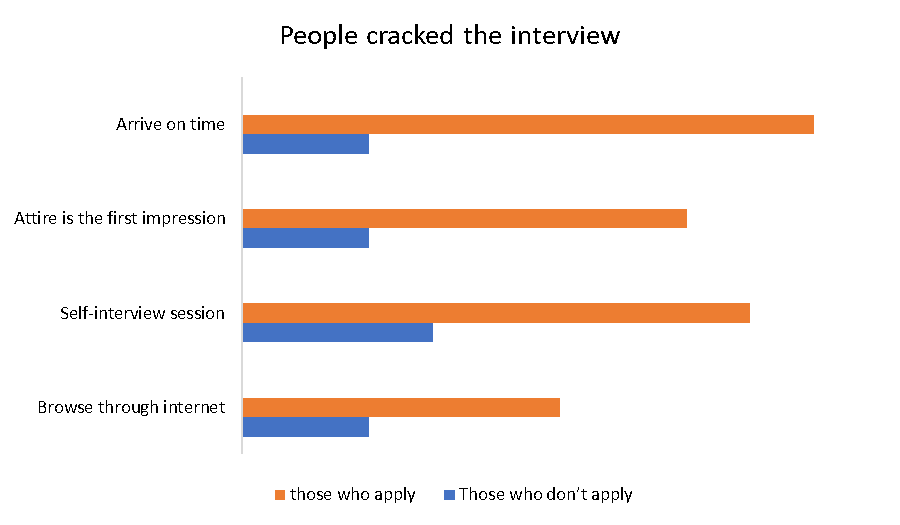
This Interview skills help us to crack the interview.
Interview Kills to apply before the interview
Here are some interview skills that you should use before the interview:
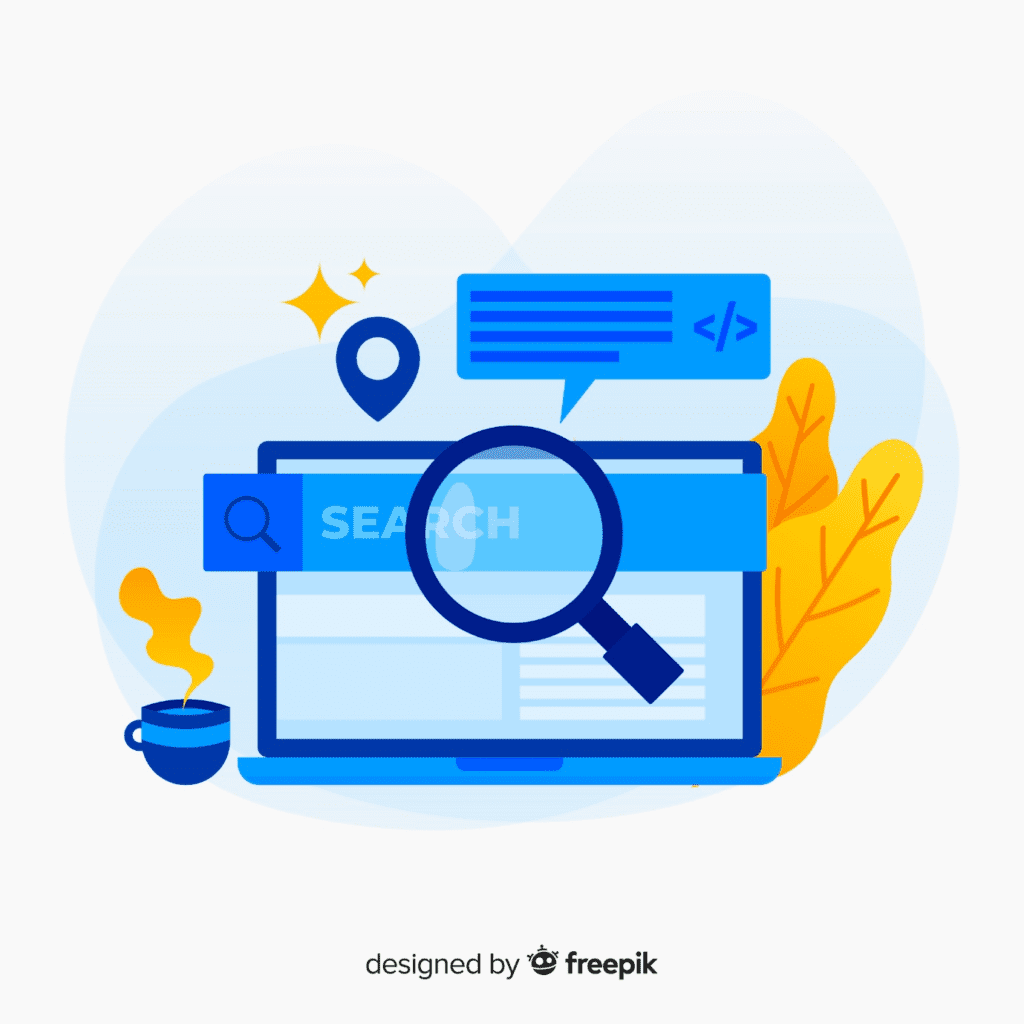
Browse through internet
If a person is going to give an interview at a company, he should research these things on the internet:
There are websites of companies available on the internet that one should browse to know about the company’s status, environment, location, reviews given by people about that company, and many more.
Research on projects a particular company worked on, what were the fields of those projects, how the output of those projects came, and how much time the company took to complete those projects.
Self-Interview Skills Session
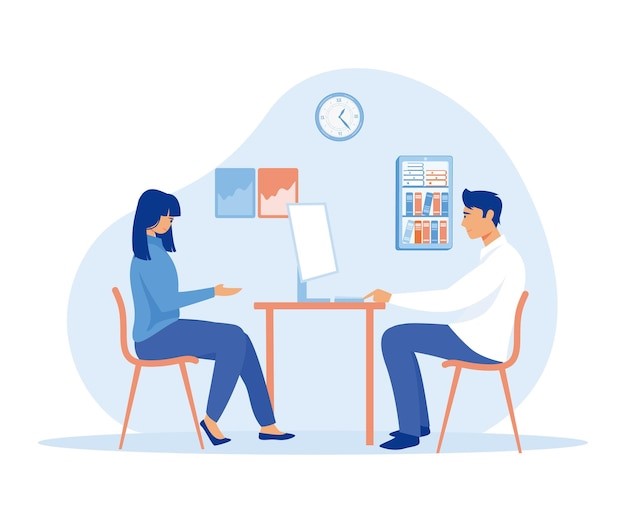
If a person is going to give an interview at a company, he should try to recreate a practice interview session where he would act as if it’s his actual interview. Write down those questions the interviewer can ask in an interview and prepare an answer for them. Browse online for questions that the interviewer can ask for the job role.
Ask a friend or mentor to take your interview, act as an interviewer, and give you feedback. While giving an interview, behave the
same way you will behave in an interview for accurate feedback.
Attire is the first impression
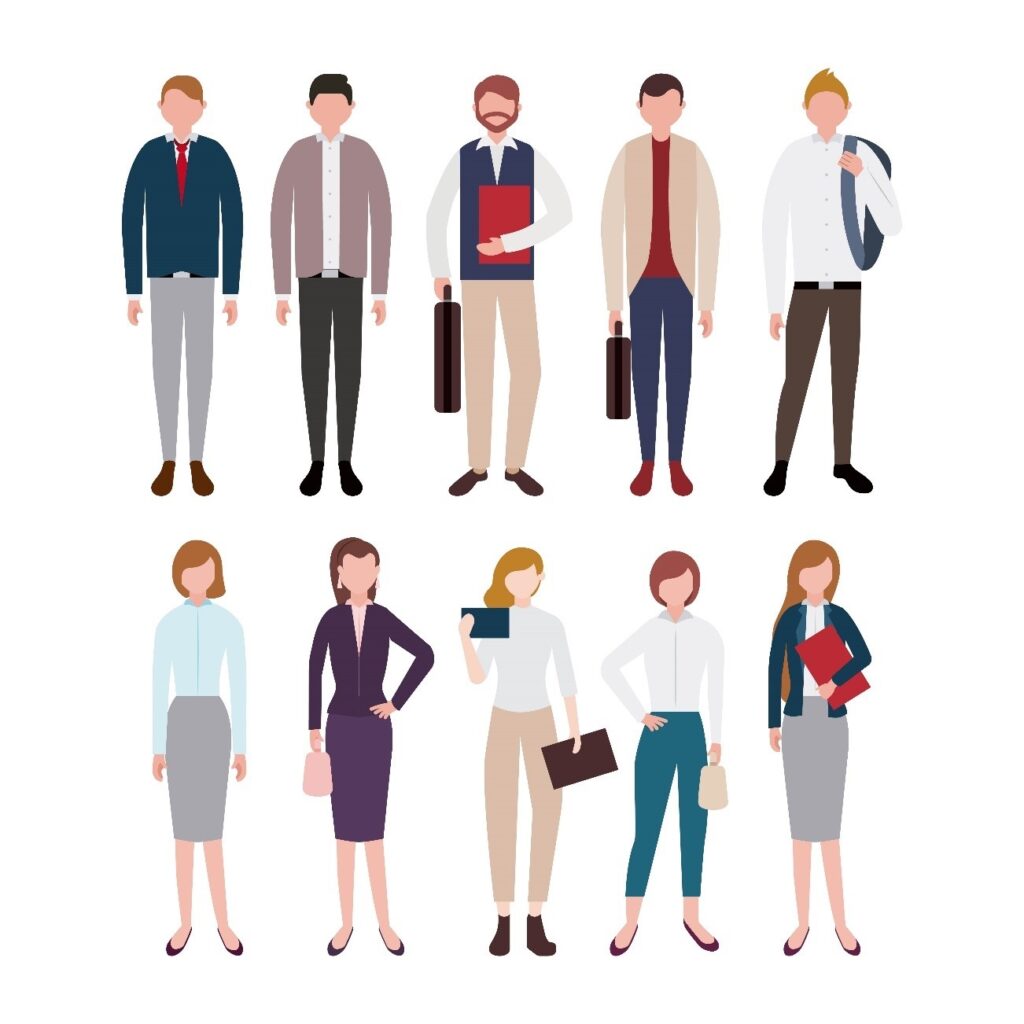
Prepare your outfit to wear in the interview beforehand.
Dress up some days before the interview to check whether you look good, the outfit is comfortable, or if it needs alteration. Try minimal accessories that enhance your look and see which suits the outfit.
Try on the heels that you are going to wear in the interview to check comfortability and whether it suit you or not.
Arrive on Time
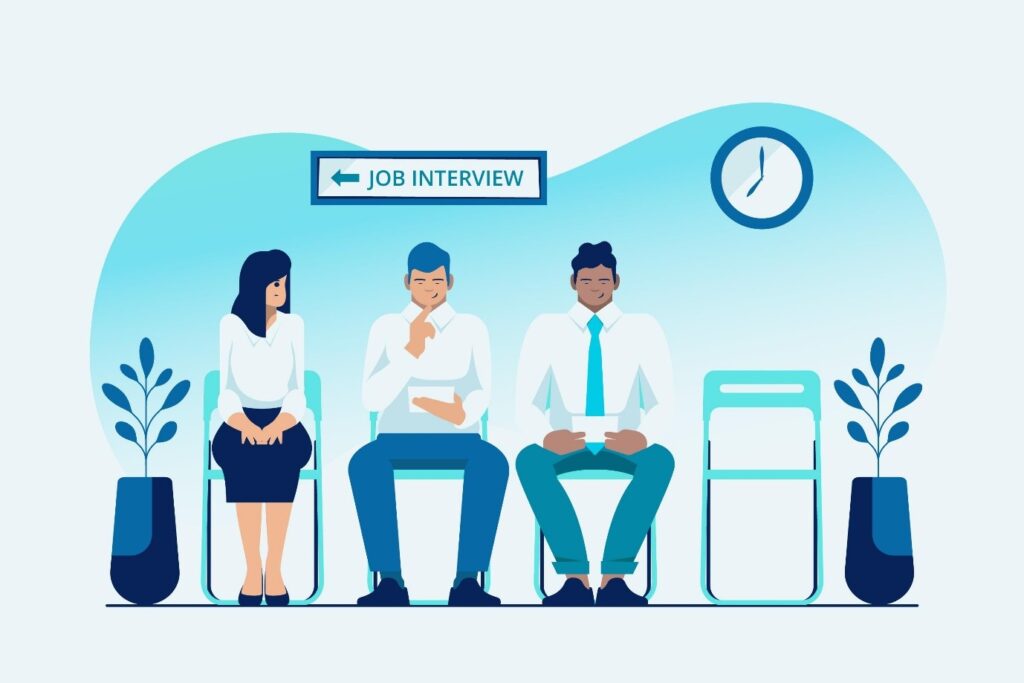
Always arrive 5–10 minutes early at an interview location.
It makes a good impression on the interviewer that lasts for a long time. Arriving on time will show your sincerity and seriousness.
If there are chances of arriving late, inform them beforehand; informing beforehand will not be considered late.
Interview Skills to apply while interviewing
Here are some interview skills that you should use during the interview:
First Impression is a Good Interview Skills
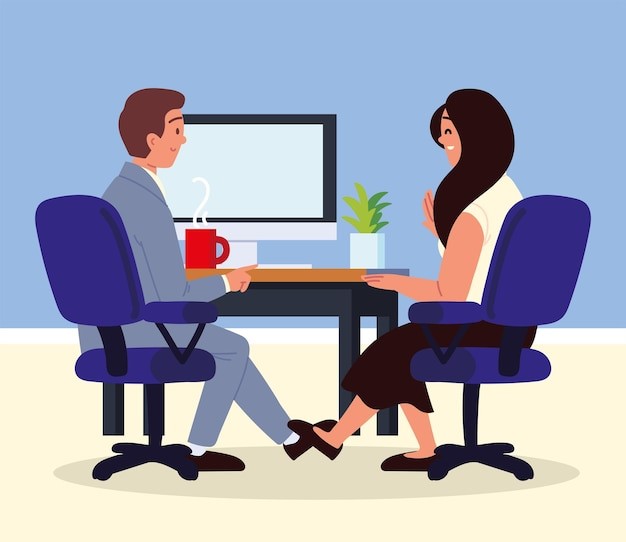
First impressions play a vital role in an interview; whether to hire or not can also depend upon first impressions.
If a person wants to make a good impression, he should maintain a good resume, dress neatly, have open body language, greet with a smile, and handshake professionally and firmly.
If you get hired, people’s behavior will depend upon your first impression.
That’s Why it is vital to give the right first impression.
Smile Proudly is a Good Interview Skills
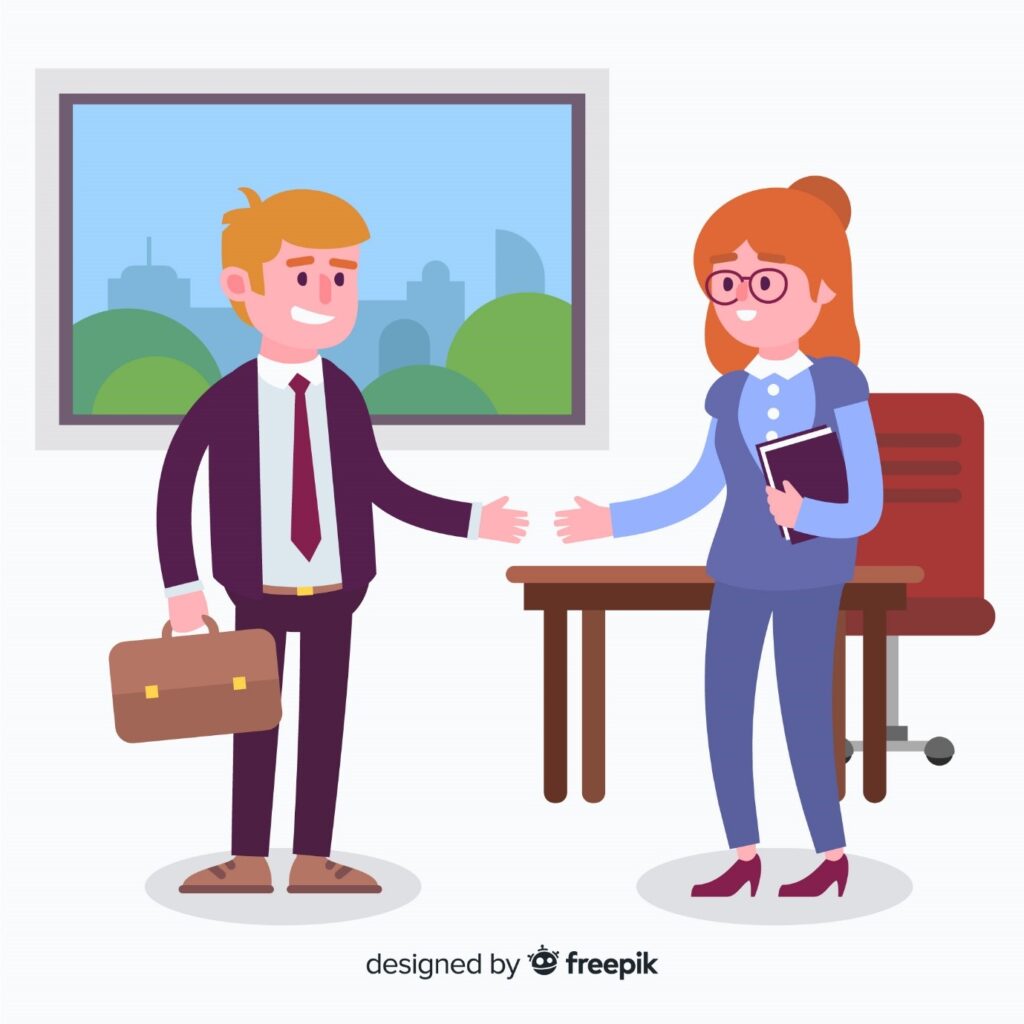
Smile portrays confidence; smiling while answering a question shows a friendly and positive attitude.
Body Language
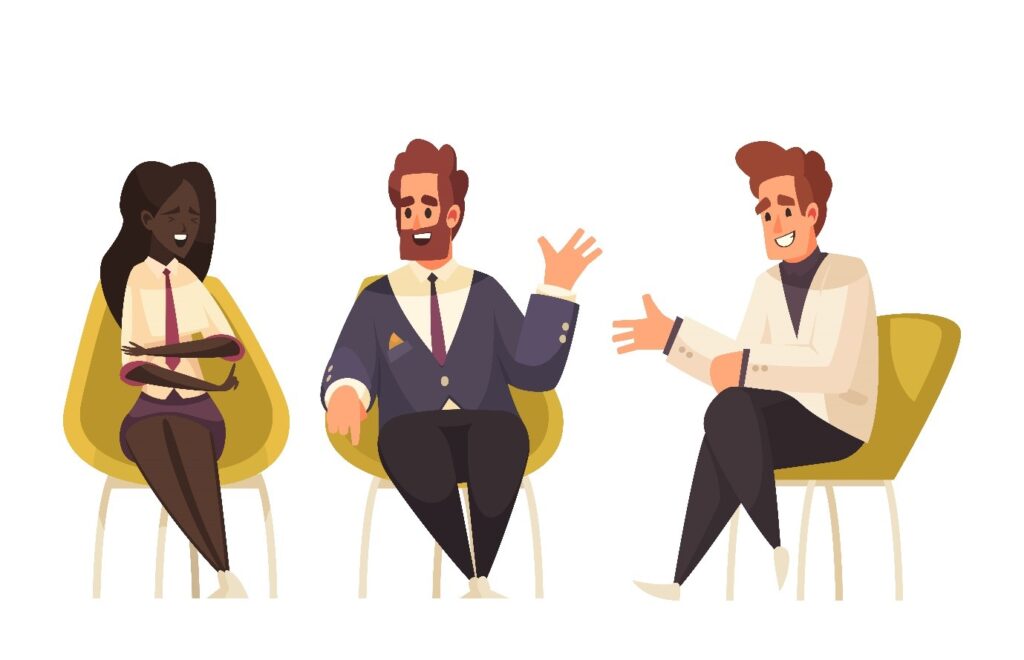
Good posture makes you look attentive. Making eye contact while answering a question shows honesty and seriousness.
Speaking
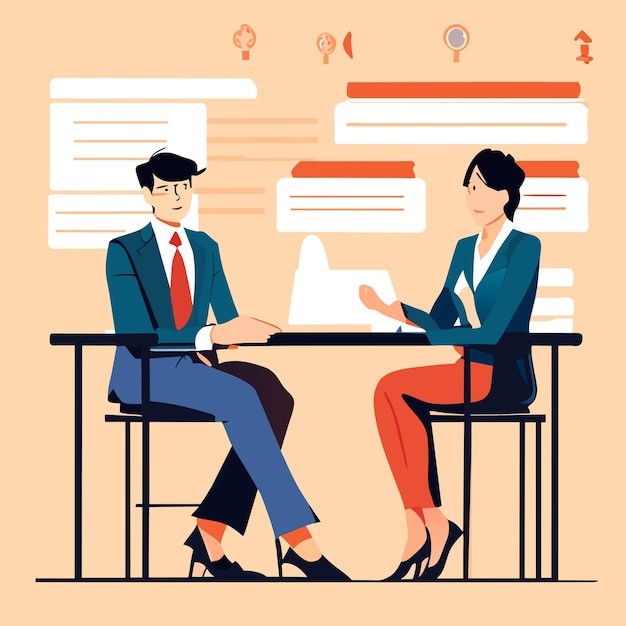
Speak clearly with the right pace and the right tone of voice. Speak only after listening to the question and understanding the question.
Your pronunciation, fluency while speaking, and vocabulary have a noble impact on the interviewer.
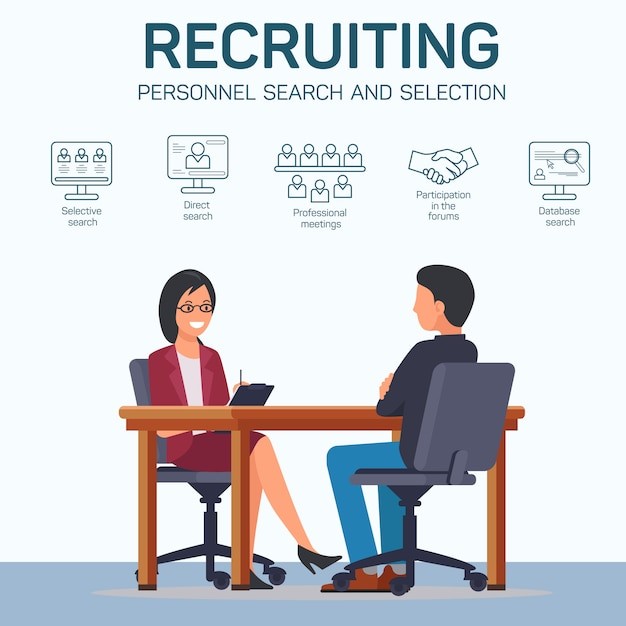
Your answers will make your decision
The answer should be brief and to the point. Be aware of questions the interviewer can ask from your resume or any answer related to your professional life. Do not discuss your private life; if the interviewer asks a question about your private life, try to give it in short.
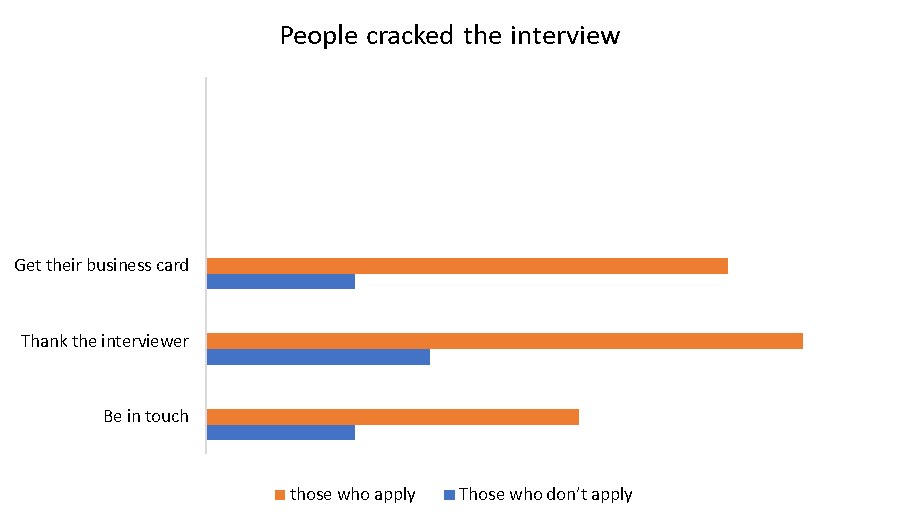
Interview Skills to apply While Interviewing
Here are some interview skills that you should use after the interview:
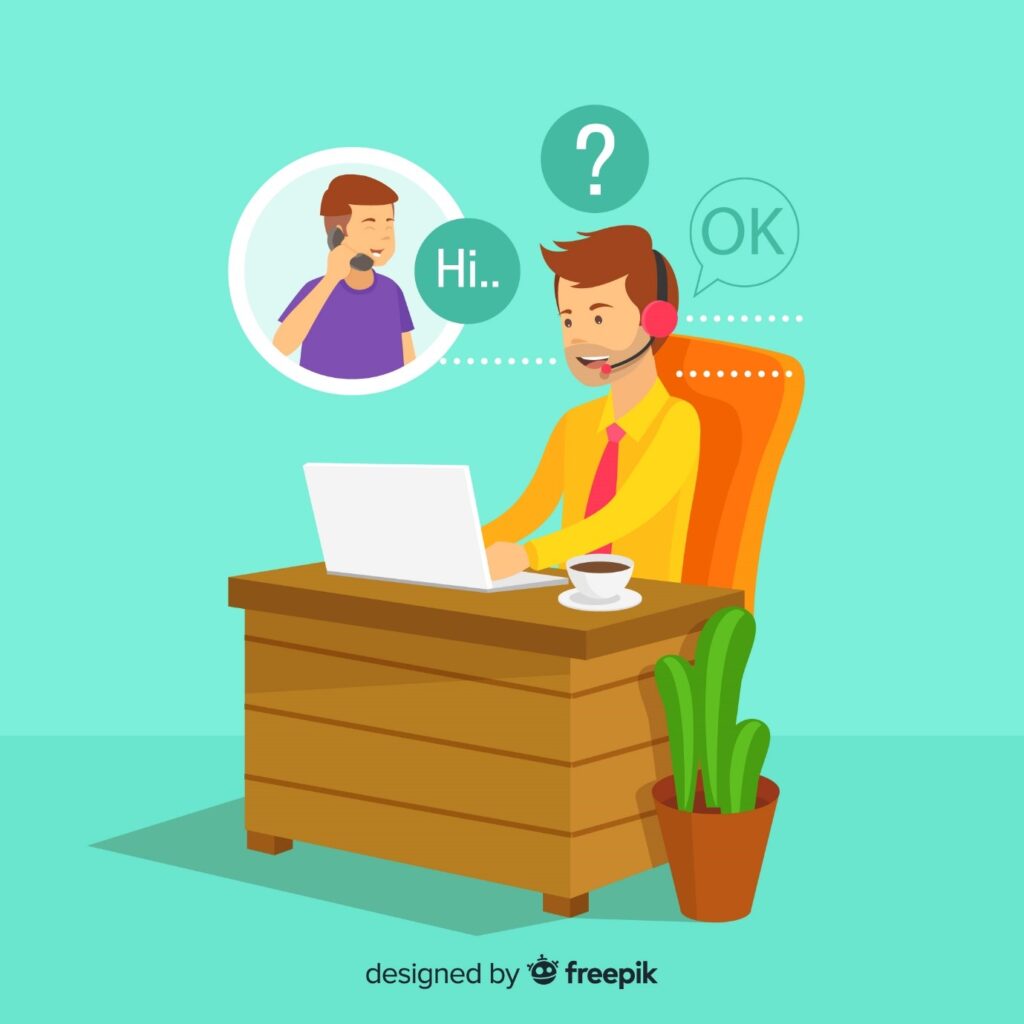
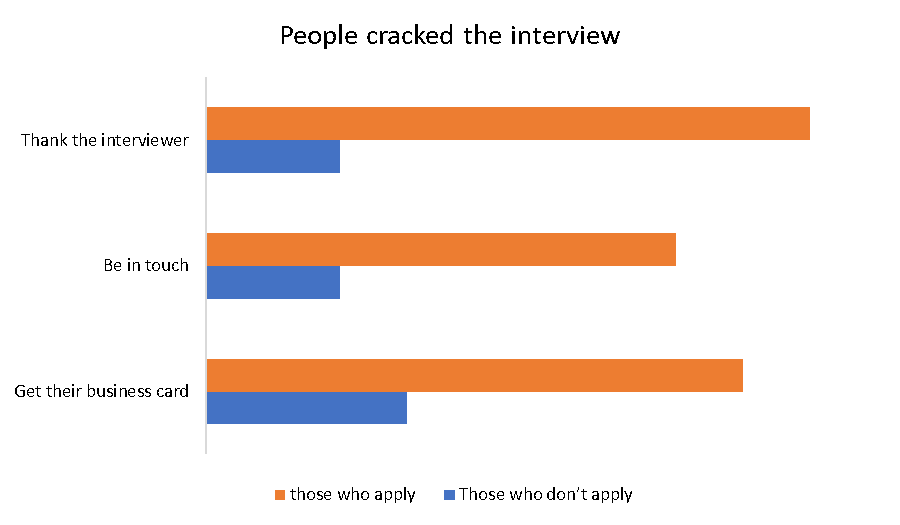
Interview Skills: Be in touch
After the interview, stay connected with the company to know the hiring status.
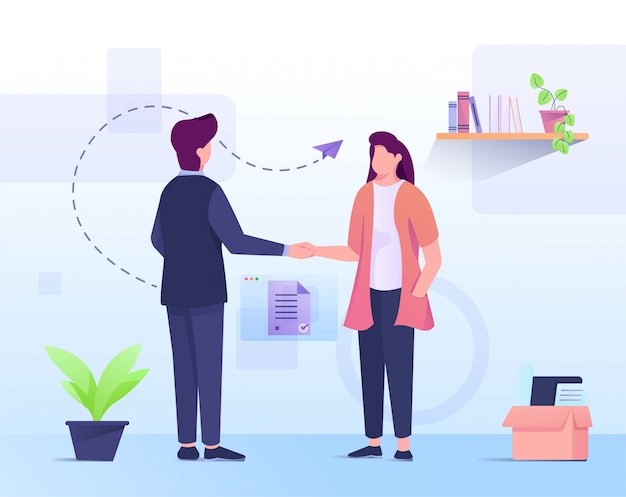
Interview Skills: Thank the Interviewer
Always thank the interviewer after the interview. Within a day, send a thank you e-mail to all the interview e-mails.
Get their business card
Try to get business cards of people you met in the company or the interviewer.
Things to avoid during Interview
- Avoid slouching at the interview table, as posture reflects your confidence.
- Keep your hair neat and well-groomed to maintain a professional appearance.
- Arriving late creates a negative impression, so always be punctual.
- At the same time, reaching too early may seem unprofessional, so manage your timing well.
- Dressing appropriately is important, as it shows respect for the opportunity.
- During the interview, avoid checking your phone, as it appears disrespectful.
- In addition, maintain polite behavior and do not respond rudely.
- Instead, use positive body language to show confidence and interest.
- Never speak negatively about your previous company, as it reflects poorly on you.
- Similarly, avoid discussing the internal environment of your previous workplace.
- It is also important not to share personal issues during the interview.
- However, asking one or two relevant questions shows your interest in the role.
- Stay attentive throughout the interview to understand questions clearly.
- Moreover, be aware of the job role you are applying for.
- Avoid eating or drinking during the interview unless offered.
- Always be honest, as lying can damage your credibility.
- Show enthusiasm and energy to demonstrate your interest.
- At the same time, avoid being overly excited or nervous.
- Finally, do not read answers; instead, respond naturally and confidently.
Terms to avoid saying in an Interview
- · Thanks, but I don’t have any questions
- · Do you want to see my references?
- · What’s in it for me?
- · And then my dad had to call the school
- · Shit, I’m so sorry.
- · So, yeah
- · Um, you know, like
- · I’d like to start my own business as soon as possible
- · My greatest weakness has to be perfection
- · Um, I don’t know
- · It’s on my resume
- · And I know I don’t have much experience, but
- · My last company was so toxic
- · I’ll do anything
- · I didn’t have time to prepare
Common Interview Questions (Part 1: Personal & Background)
- Tell us about yourself.
- Why should we hire you?
- Which achievement are you most proud of?
- Why do you want to work in this field?
- Describe a time when you had differences with a teammate or supervisor.
- What are your strengths?
- Describe your goals.
- Why do you want this job?
- What are your interests?
- Why did you choose your major?
- Tell us about a time you failed.
- What is your weakness?
- Do you have any questions for us?
Common Interview Questions (Part 2: Skills, Behavior & Work Style)
To evaluate your professional abilities, interviewers may ask about your skills and experience. For example, they might ask:
- What specific skill set do you bring to this job?
- How do you handle stress in challenging situations?
- What kind of work culture are you looking for?
- Usually what type of people do you find difficult to work with?
In addition, they often focus on real-life experiences and problem-solving skills. As a result, you may be asked:
- Describe a situation when you stepped out of your comfort zone.
- Tell us about a time you worked on a challenging goal.
- Describe a time when you had to learn something new.
- When did you handle multiple tasks in a short time?
Moreover, time management and performance are also important. Therefore, interviewers may include:
- How do you set priorities or manage time effectively?
- Describe a time you made a successful sale.
- How can you contribute to our team?
- What have you done for professional development recently?
Interview Questions: Personality & Career Growth
Apart from skills, employers evaluate your personality and long-term goals. For instance, they may ask:
- What makes you unique compared to other candidates?
- How do you stay updated in your field?
- Describe what makes an effective team?
- What are you currently working on?
Furthermore, motivation and mindset are also important. As a result, questions may include:
- What motivates you to perform better?
- Describe your hobbies?
- How would previous supervisors describe you?
- What will you do if you don’t get this job?
Finally, interviewers assess leadership and commitment. Therefore, they may ask:
- How do you define success?
- Describe a time you demonstrated leadership.
- Are you willing to work extra hours or weekends?