How Computer Skills Can Fast-Track Your Professional Success
Introduction
In today’s fast-paced digital world, Computer skills for job success are essential across almost every profession. Even at entry level, basic tasks like email handling require strong digital understanding and efficiency. As roles advance, professionals work with digital content in marketing, design, and financial processes. These skills improve productivity, helping individuals work smarter and manage time more effectively. Moreover, strong computer knowledge opens multiple career pathways across various industries and job roles. Employers expect adaptability, so candidates must confidently use digital tools and modern workflows. In this blog, we will explore essential skills, in-demand areas, and effective ways to start learning.
How Computer Skills Improve Your Job Prospects
Increase in Job Opportunities and Salary Potential
Strong computer abilities expand career prospects, and professionals with these skills gain access to better job opportunities. Employers across industries value digital proficiency, as roles in marketing, finance, administration, and design rely on modern tools. Candidates with certifications in Excel, Tally, Photoshop, or digital marketing platforms receive more interview calls and competitive salary offers. These skills are in high demand, making digitally skilled professionals more valuable in today’s evolving job market. As businesses continue to digitize, employees with strong technical abilities are often recognized for their contributions. This recognition leads to promotions, career growth, and long-term professional stability.
Ability to Apply for Remote, Freelance, and Corporate Jobs
Technological competency creates flexible career options, and Computer skills for job success enable remote, freelance, and corporate work opportunities. Professionals use tools like Zoom, Slack, Trello, and Google Workspace to collaborate and manage projects efficiently. Being tech-savvy ensures productivity, allowing individuals to work effectively from any location. Skills in design, writing, coding, and digital marketing open global freelance opportunities across industries. These roles offer independence, enabling professionals to earn while working with international clients. With growing flexibility, technology-driven careers allow individuals to move beyond traditional office-based roles.
Examples of Roles That Require Specific Computer Skills
There are many new, fast-growing job roles that require computer-based skills, and Computer skills for job success are essential in meeting these demands. For example, a digital marketing executive must understand SEO tools and social media platforms to perform effectively. Similarly, an accountant should know Tally with GST and use Excel to generate accurate financial reports. Moreover, graphic designers need expertise in Adobe Photoshop, Illustrator, and CorelDRAW to create compelling visual content. In addition, administrative assistants must handle data entry and be proficient in MS Office tools. Therefore, these examples clearly show that computer skills are now necessary for almost every job role.
Where and How to Learn These Skills
Importance of Choosing the Right Training Institute
When learning in-demand skills, choosing the right institute matters, and Computer skills for job success begin with quality training. A good institute provides updated content, so learners stay aligned with current industry requirements and tools. Moreover, hands-on practice is essential, as practical exposure builds confidence and real-world problem-solving abilities. For instance, Global Institute of Computer and Technologies focuses on skill-based learning through expert instructors and industry-relevant projects. In addition, proper guidance from career counselors helps learners make informed decisions and plan growth effectively. Therefore, whether you are a beginner or upgrading skills, the right training ensures strong career readiness.
Short-Term vs. Long-Term Courses
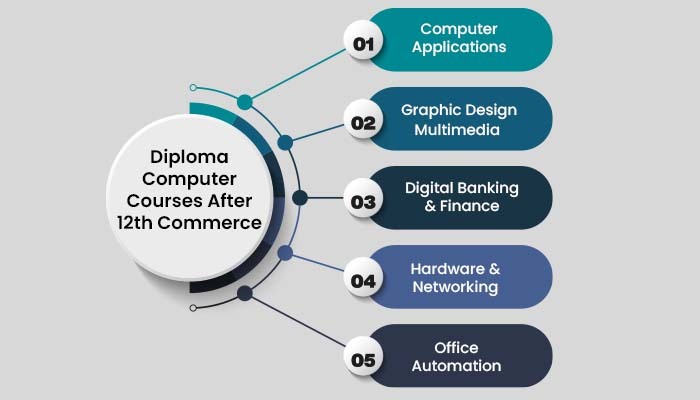
Getting a sense of the characteristics of brief and extended computer courses will help you determine your own timeline and goals. Brief courses that consider areas like Tally with GST, graphic design, and basic digital marketing are important first steps to learn skills that lead to industry entry, which you can build upon in the future. Extended computer courses will help you develop more in-depth knowledge of the technology and tools that you use, which are valuable for someone who is seeking or transitioning into more advanced job roles. Whether you are considering either a short or long course, we will discuss the possibilities of professional improvement, skills growth, or stages of development, whichever is important depending upon the speed of the learning pace and goals in the public and private sectors.
Online vs. Offline Learning Options
Due to rapid technological advancement, students have a choice between online or offline learning. Online courses have the benefit of convenience, allowing students to learn anytime and anywhere, making them a good option for working professionals. Offline classroom training and GICT offer one type of option, providing direct access to instructors, practical training, and a dedicated learning environment. Another option worth exploring is having online learning and offline practice as a blended learning, which will likely result in effectively mastering any computer skill.
Tips to Keep Your Computer Skills Updated
Importance of Continuous Learning
In a fast-growing digital world, continuous learning is essential, and Computer skills for job success help professionals stay current and competitive. As technologies evolve rapidly, individuals must adapt quickly, so ongoing learning ensures relevance in changing job markets. Moreover, staying updated with industry practices allows professionals to explore new career opportunities and roles. By consistently upgrading skills, individuals show initiative, which strengthens confidence and professional credibility. In addition, continuous learning prepares professionals to handle disruptions and adapt to future workplace changes effectively. Therefore, maintaining updated skills supports long-term growth, stability, and career success.
Resources Like YouTube, Online Certifications, Webinars
Practicing regularly is essential, and Computer skills for job success improve through consistent hands-on learning and application. Moreover, learners can access countless resources, as platforms like YouTube offer tutorials on everything from Excel shortcuts to Photoshop techniques. In addition, structured learning is available through Coursera, Udemy, and LinkedIn Learning, which provide certifications that strengthen resumes. Furthermore, attending webinars helps learners stay updated with industry trends, tools, and best practices. As a result, these flexible options support learners at every level and make skill development more accessible.
Following Tech Trends and Practicing Regularly

Keeping current is not just about learning but also applying what you learn on a regular basis. Read tech blogs, sign up for newsletters, and stay active on LinkedIn so you can follow emerging tools and techniques. Continue to practice what you learn by taking on smaller projects, freelancing, or implementing your new software skills. The more you practice the knowledge you’ve gained, the easier it is to reinforce that knowledge, gain confidence, and never lose the ability to implement your skills in real time.
Conclusion
In today‘s digital-first age, computer skills aren‘t optional—they‘re essential for workplace success. If you want a better job, a freelance career or to grow in an existing role, being good at valuable computer skills will set you apart from the competition. Skills such as digital marketing, graphic designing, financial accounting, and Tally with GST will open up new pathways for direct employment or entrepreneurship. In a competitive job market, having good computer skills, quality training, and continual learning and practice, as well as keeping abreast of new developments, will result in success. Start with GICT and take the first step towards the tech industry and an exciting and bright future.