Why Video Marketing is Your Secret Weapon in 2026

In 2026, video marketing is no longer just an opportunity but a powerful strategy for business growth. As visual content consumption continues rising, consumers increasingly rely on video for information, entertainment, and purchase decisions. With shorter attention spans and growing competition, video helps brands capture attention, engage audiences, and drive conversions more effectively. Whether for small businesses or global brands, video marketing has become essential for standing out in the crowded digital space, building human connections, and strengthening overall marketing efforts.
The Growth of Video Content Consumption
Over the last decade, video content consumption has grown rapidly, and the trend continues strongly in 2026. The shift toward video is no longer just a temporary trend but has become a major part of digital culture. From social media feeds and online shopping platforms to educational tools, audiences now prefer video content because it is more engaging, informative, and easier to consume.
1. Statistics and Trends Driving Growth in Video Marketing
Video consumption statistics continue to grow rapidly. By 2026, more than 80% of global internet traffic is expected to be video-based. This growth is driven by platforms like YouTube, TikTok, Instagram Reels, and Facebook, where video content dominates user engagement. Millions of hours of video are consumed daily across these platforms, showing not only massive consumption levels but also a growing preference for video as a primary medium for entertainment, education, and information.
2. Mobile Video Consumption
Mobile devices have become one of the biggest drivers of video growth. Smartphones now make video content more accessible than ever, allowing users to watch videos anytime and anywhere. As mobile video consumption continues increasing rapidly, people frequently watch videos during commutes, breaks, or between daily tasks. Consequently, vertical video formats such as TikTok videos and Instagram Stories have gained massive popularity because mobile users generally prefer short, quick, and easily digestible content over lengthy videos.
3. The Rise of Streaming Platforms and On-Demand Video
Streaming platforms like Netflix, Amazon Prime Video, and Disney+ have completely transformed the way people consume entertainment. As audiences increasingly prefer on-demand content, this behavior has also influenced modern digital marketing strategies. Consumers now expect brand communication to be flexible, accessible, and available whenever they want. Consequently, businesses are investing more in on-demand video content that allows audiences to engage with information at their own convenience and preferred time.
The Impact of Video Marketing on SEO and Search Rankings
By 2026, video marketing is no longer just an additional strategy; it has become an essential part of modern SEO. Search engines like Google increasingly prioritize video content because it improves user experience, engagement, and time spent on websites. Therefore, businesses now recognize the importance of integrating video into their SEO strategies to improve online visibility, search rankings, and organic traffic.
1. Video as a Ranking Factor through Video Marketing
Google’s algorithm has increasingly favored rich and engaging content, and video is a major part of this shift. Over the years, Google has started displaying more video results directly within search queries. For instance, when users search for certain products or services, video thumbnails often appear alongside organic search results. This clearly shows that search engines are evolving to prioritize video content more prominently. In fact, research suggests that video results frequently gain higher visibility on search engine results pages (SERPs) compared to standard text-based content.
2. Increasing Dwell Time and Engagement through Video Marketing
One of the key factors affecting SEO rankings is “dwell time,” which refers to how long users stay on a webpage. When visitors land on a page containing video content, they are more likely to remain engaged for a longer period. Since videos are highly attention-grabbing, they often keep users interested more effectively than text alone. Google recognizes this behavior, and longer dwell time generally signals higher-quality content. As a result, adding videos to websites or blogs can improve user engagement, reduce bounce rates, and contribute to better SEO performance.
3. Videos in Search Results Drive Click-Through Rates (CTR)
Video thumbnails in search results naturally attract more attention than plain text snippets. As a result, they often increase click-through rates (CTR), which is an important factor in SEO. A higher CTR signals to search engines like Google that the content is relevant and valuable to users. Therefore, if a video result consistently receives more clicks, search engines may gradually improve its ranking because it demonstrates stronger relevance to the user’s search query.
Video for Brand Awareness and Storytelling
By 2026, video has become an established marketing medium with a major impact on brand building and storytelling. Modern consumers increasingly seek authentic and emotionally engaging experiences, and video allows brands to connect with audiences more effectively than many other forms of content. From startups to large corporations, video content helps humanize brands, create emotional connections, and build long-lasting relationships with viewers.
1. The Power of Storytelling Through Video Marketing
Storytelling has always been an important part of human connection, and video is one of the most effective ways to bring a brand story to life. By combining visuals, sound, and narrative, video helps businesses create engaging stories that build stronger emotional connections with audiences. People naturally respond to stories that reflect their values, emotions, and aspirations. Whether a brand shares its journey, challenges, achievements, or customer success stories, video content helps build trust, strengthen brand loyalty, and create a lasting community around the business.
2. Building Brand Awareness with Video Marketing
Brand awareness helps customers understand who you are, what your business stands for, and why they should choose your brand. Video marketing has become one of the most effective ways to build this awareness because it delivers messages in a simple, engaging, and visually appealing format. When used strategically, video content can make a business stand out more effectively than its competitors.
Additionally, videos can be shared across platforms like Facebook, Instagram, LinkedIn, and TikTok, helping businesses expand their reach without spending heavily on promotion. Since these platforms prioritize video content, brands often gain greater visibility and engagement. As shares, interactions, and audience reach increase, businesses improve their online presence and brand recognition significantly.
3. Types of Videos that Enhance Brand Awareness
Understanding which types of videos to create is essential for reaching your audience effectively, as different video formats serve different marketing purposes and help improve brand awareness.
- Explainer Videos: These short and informative videos simplify complex concepts related to your products or services, making them easier for audiences to understand. As a result, explainer videos are especially effective for startups and new businesses that want to educate potential customers about their offerings.
- Behind-the-Scenes Videos: Audiences often connect more deeply with brands when they see the human side behind the business. Behind-the-scenes videos can showcase product creation processes, office culture, team collaboration, or daily operations. Consequently, these videos help humanize the brand, build trust, and create stronger emotional connections with consumers.
Video Marketing's Role in Social Media Strategy
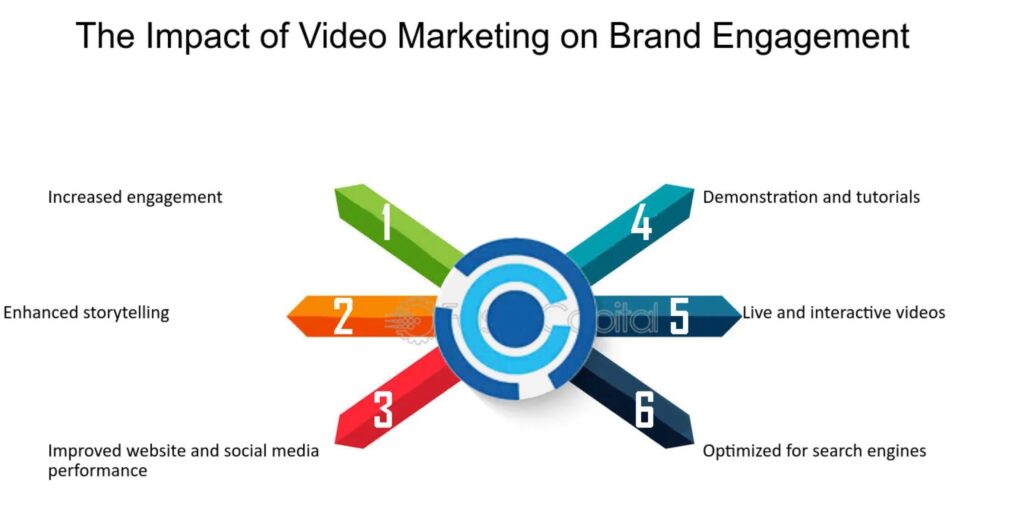
In 2026, video marketing has become one of the most powerful elements of social media strategy and an essential part of digital marketing growth. Since platforms increasingly prioritize video content, businesses now treat it as a necessity rather than an optional strategy. From Instagram Stories and TikTok trends to YouTube vlogs and short-form videos, video content consistently drives higher engagement, strengthens brand identity, and improves conversions.
As a result, businesses are now focusing more on understanding why video marketing performs so effectively on social media. Additionally, brands are learning how to use the right video formats, audience targeting strategies, and content approaches to achieve better marketing results. By using video strategically, businesses can increase visibility, build stronger audience connections, and create long-term growth opportunities in the competitive digital landscape.
1. The Shift Towards Video Content on Social Media
In recent years, social media platforms have deeply integrated video into their algorithms, making video marketing an essential part of modern digital strategies. Platforms such as Facebook, Instagram, Twitter, LinkedIn, TikTok, and YouTube now prioritize video content because users prefer engaging and easy-to-consume media that captures attention quickly and encourages interaction.
Additionally, video consumption continues growing rapidly, which has pushed platforms to promote video content even more aggressively. While TikTok dominates short-form video trends, YouTube remains a leader in long-form content. Since videos typically generate higher engagement through likes, shares, comments, and watch time, social media algorithms often favor them over static posts. Therefore, businesses that fail to incorporate video marketing into their strategies may struggle to maintain visibility and audience engagement in 2026.
2. Increased Engagement and Higher Reach through Video Marketing
Videos naturally capture more attention than other content formats, making video marketing essential in today’s social media landscape. Studies show that video posts generate more likes, comments, and shares compared to images or text posts. Additionally, platforms like Facebook and Instagram prioritize video content, which increases visibility and audience reach. As a result, brands using video are more likely to appear in front of their target audience.
Furthermore, videos create stronger emotional connections through storytelling, humor, and product demonstrations, making content more engaging and interactive. When users share videos, brands can quickly expand their reach and connect with new audiences more effectively.
3. Building Brand Identity with Video Marketing
Video content communicates brand identity more effectively than text alone, making video marketing an important part of modern digital strategies. Through visuals, music, and storytelling, brands can express their values, showcase behind-the-scenes moments, share product journeys, or highlight meaningful causes in a more engaging way.
Additionally, videos help businesses appear more human and relatable, which strengthens emotional connections with audiences who share similar values. When video content aligns with a brand’s voice and message, it builds trust, encourages engagement, and increases long-term audience loyalty.
The Effectiveness of Video in Lead Generation and Conversion
In today’s digital landscape, video marketing has become one of the most effective tools for lead generation and conversions. Businesses use video content to attract customers, build relationships, and influence purchasing decisions through simple, engaging, and easy-to-understand communication.
Additionally, video supports every stage of the marketing funnel by capturing attention, building interest, and encouraging action. Its emotional appeal and clear messaging help businesses convert potential leads into loyal customers more effectively.
1. Capturing Attention in a Crowded Digital Space
In today’s fast-moving digital world, video marketing helps businesses cut through information overload and capture attention quickly. Studies show that videos attract viewers faster and keep them engaged longer than text or images, making video one of the most powerful tools for online visibility and audience engagement.
Additionally, video plays a major role in lead generation by giving potential customers a strong reason to interact with a brand. Explainer videos, product demos, and promotional teasers can instantly create interest and encourage action. A well-produced video also creates a strong first impression, which increases the chances of converting leads into customers.
2. Educating and Nurturing Leads with Video Content
Video plays an important role in education, and video marketing has become highly effective for generating and nurturing leads. Tutorials, webinars, and how-to videos help solve customer problems, answer common questions, and explain products in a simple way. As customers better understand how a product or service works, their trust and confidence naturally increase.
Additionally, video content supports lead nurturing during the consideration stage. For example, trial users can watch tutorials to learn features, benefits, and real-world applications more effectively. As a result, users who engage with educational video content are more likely to convert into paying customers.
3. Increasing Trust and Credibility with Video Testimonials
Trust plays a major role in conversions, and video marketing helps businesses build credibility through authentic customer testimonials. People are more likely to take action when they see real customers sharing genuine experiences and positive results.
Compared to written reviews, video testimonials feel more personal, relatable, and trustworthy because viewers can see emotions, hear real stories, and connect with satisfied customers directly. As a result, video testimonials increase customer confidence and make potential buyers more likely to complete a purchase.
The Rise of Live Video and Interactive Content
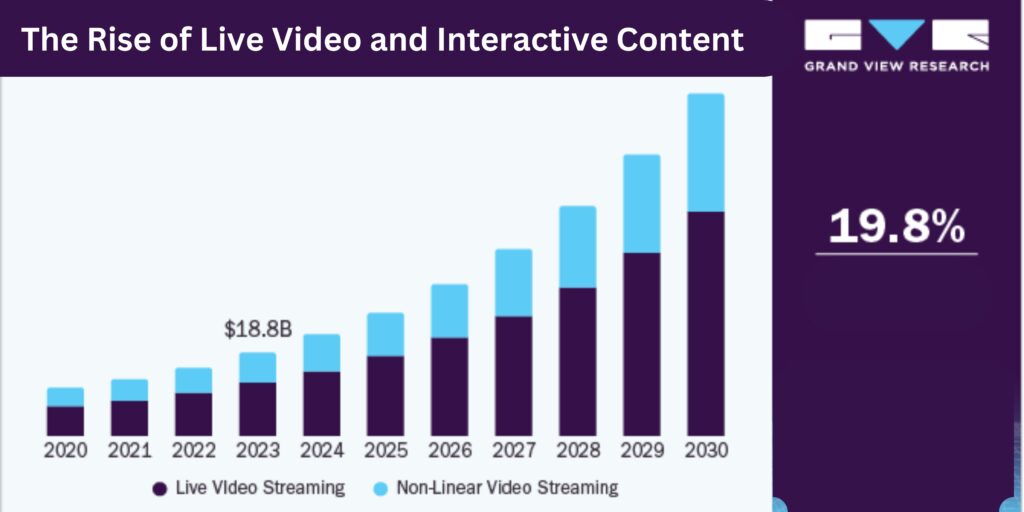
Live video and interactivity have grown rapidly, making video marketing more focused on real-time audience engagement and authentic communication. Brands now use live video formats to create immersive experiences that allow instant interaction and stronger personal connections with viewers.
Additionally, features like comments, polls, and Q&A sessions help businesses engage directly with their audiences in real time. This interactive approach builds trust, increases audience involvement, and creates more human and engaging brand experiences compared to traditional marketing methods.
1. The Growing Popularity of Live Video
Live video is rapidly gaining popularity, and video marketing is increasingly centered around real-time audience engagement. Platforms such as YouTube Live, Facebook Live, Instagram Live, and TikTok Live allow brands to connect with audiences instantly and create more authentic interactions.
Additionally, studies show that many consumers prefer live video content over traditional blog content because it feels more personal and interactive. Features like live comments, reactions, and Q&A sessions help audiences feel directly involved in the experience. As a result, real-time communication builds trust, strengthens brand relationships, and makes live video one of the most effective tools for increasing engagement and audience connection.
2. Real-Time Engagement and Consumer Interaction through Video Marketing
One of the biggest strengths of live content is interactivity, and video marketing uses features such as comments, likes, shares, polls, and quizzes to engage viewers instantly. This real-time participation helps create a strong sense of community and strengthens the connection between brands and their audiences.
Additionally, these interactions provide valuable insights for businesses by allowing them to gather instant feedback, understand audience preferences, and identify customer concerns in real time. As a result, brands can adjust their messaging, respond to questions immediately, and deliver more relevant and engaging experiences to their viewers.
3. Interactive Content: The Next Level of Engagement through Video Marketing
Interactive formats are growing rapidly, and video marketing now focuses more on active audience participation rather than one-way communication. Features such as polls, quizzes, interactive infographics, and surveys encourage users to engage directly with content. Unlike static formats like blogs or images, interactive content requires audiences to take action, which increases involvement and engagement.
Additionally, tools like quizzes and polls provide instant feedback while helping businesses collect valuable audience insights. For example, a personalized quiz can recommend suitable products while also understanding user preferences and interests. As a result, this level of personalization makes content feel more relevant and engaging for users.
Video Marketing on Mobile Devices
Mobile video now dominates content consumption, so video marketing must adapt to mobile-first behavior in 2026. Since most users watch content on smartphones, brands should create short, engaging, and visually appealing videos optimized for smaller screens.
Additionally, mobile users prefer quick and easy-to-consume content. Therefore, vertical formats, fast storytelling, and attention-grabbing visuals perform better on mobile platforms. By optimizing videos for mobile viewing, businesses can improve engagement, reach larger audiences, and stay competitive in the digital landscape.
1. The Shift to Mobile-First Content Consumption through Video Marketing
After 2010, the shift from desktop to mobile-first usage transformed digital behavior, making video marketing a major part of online engagement. The growth of smartphones and high-speed internet turned mobile video into a preferred format for entertainment, shopping, and communication.
Additionally, research shows that a large percentage of consumers now watch videos mainly on mobile devices through platforms like YouTube, Instagram, Facebook, and TikTok. As a result, businesses must focus on mobile-friendly video strategies to stay relevant and effectively reach modern audiences.
2. Optimizing Video Content for Mobile Devices through Video Marketing
To maximize results from video marketing on mobile devices, brands must create content that suits small screens, touch interactions, and mobile user behavior. Since most users consume content on smartphones, optimizing videos for mobile viewing has become essential.
- Aspect Ratio: Vertical video formats such as 9:16 perform best on platforms like Instagram Stories, TikTok, and Snapchat because they are designed for mobile viewing. However, platforms like YouTube still commonly use horizontal formats. Therefore, brands should adjust video formats according to the platform and audience preferences.
- Content Length: Mobile users usually have shorter attention spans, especially while scrolling through social media feeds. As a result, short-form videos between 15 and 30 seconds often generate higher engagement. Brands should deliver fast-paced and creative messaging that captures attention within the first few seconds.
3. Leveraging Mobile Video Ads for Video Marketing
Mobile video ads have become an essential part of digital advertising because they often generate higher attention and conversion rates compared to static display ads. Their success comes from the ability to capture attention quickly while delivering strong storytelling within a short duration.
Additionally, platforms like Instagram, TikTok, and YouTube offer in-app video advertising placements that blend naturally into users’ feeds. These ads are often considered “native ads” because they match the style and format of regular content. As a result, engaging and relevant mobile video ads allow brands to connect with audiences more effectively directly within the app experience.

Unlock the power of Video Marketing in 2026! Start creating engaging content today to user in success for your brand.
Conclusion: Video Marketing
By 2026, video marketing has become a game-changing strategy for businesses, offering unmatched opportunities for engagement, brand awareness, and conversions. As consumers increasingly prefer dynamic and immersive content, video allows brands to build deeper and more meaningful connections with their audiences. From social media marketing and SEO to interactive and mobile-first content, video marketing provides multiple ways to attract, engage, and influence customers effectively.
Therefore, businesses that want to stay competitive and adapt to the constantly evolving digital landscape must embrace video marketing as a core part of their overall strategy.