Top 10 Digital Marketing Strategy in 2026
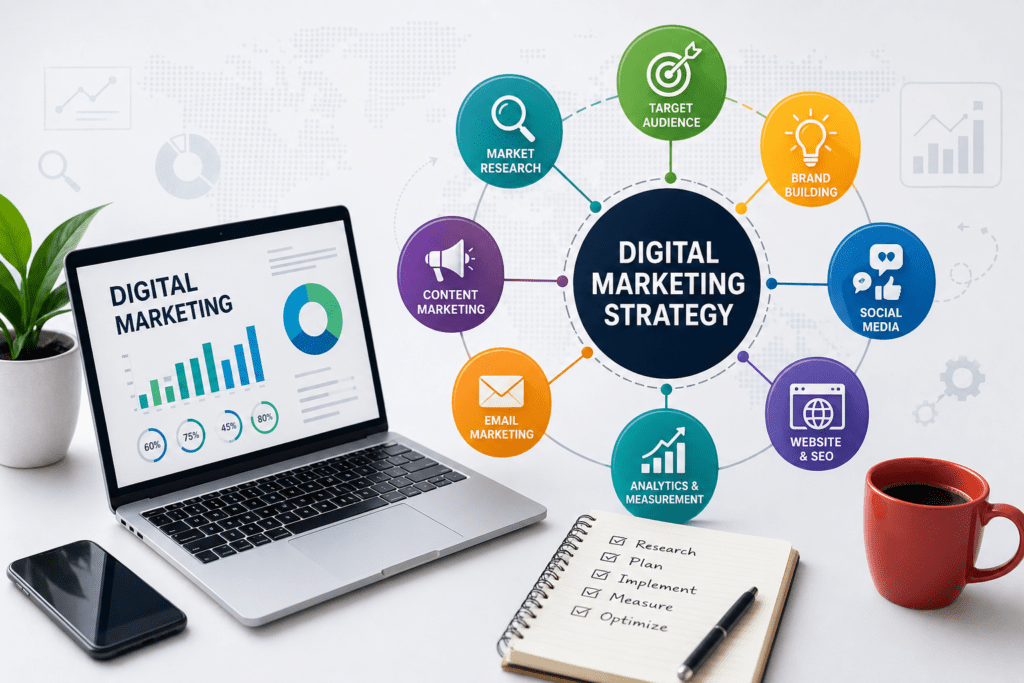
A digital marketing strategy is a thorough plan outlining how a company or organization will use digital channels, including websites, search engines, social media, email, and online advertising, to achieve its marketing objectives.
This strategy usually entails identifying target audiences, choosing relevant digital channels, developing attractive content, adopting tactics like SEO and PPC advertising, analyzing results, and improving strategies based on data and insights.
The goal is to attract and engage target audiences, increase brand awareness, create leads, and, eventually, accomplish business growth and success in the digital world.
A digital marketing strategy outlines a comprehensive plan that integrates various digital channels and tactics to achieve specific business objectives.
Search Engine Optimization(SEO) Strategy
A digital marketing strategy is essential for reaching and engaging your target audience. It also helps increase brand awareness and achieve business goals.
In simple terms, it is a clear plan that shows how a business uses digital channels like websites, search engines, social media, email, and online ads. As a result, companies can attract users, generate leads, and grow faster.
Moreover, a strong strategy includes identifying your audience, choosing the right platforms, creating valuable content, and tracking performance. Therefore, businesses can improve their results over time using data and insights.
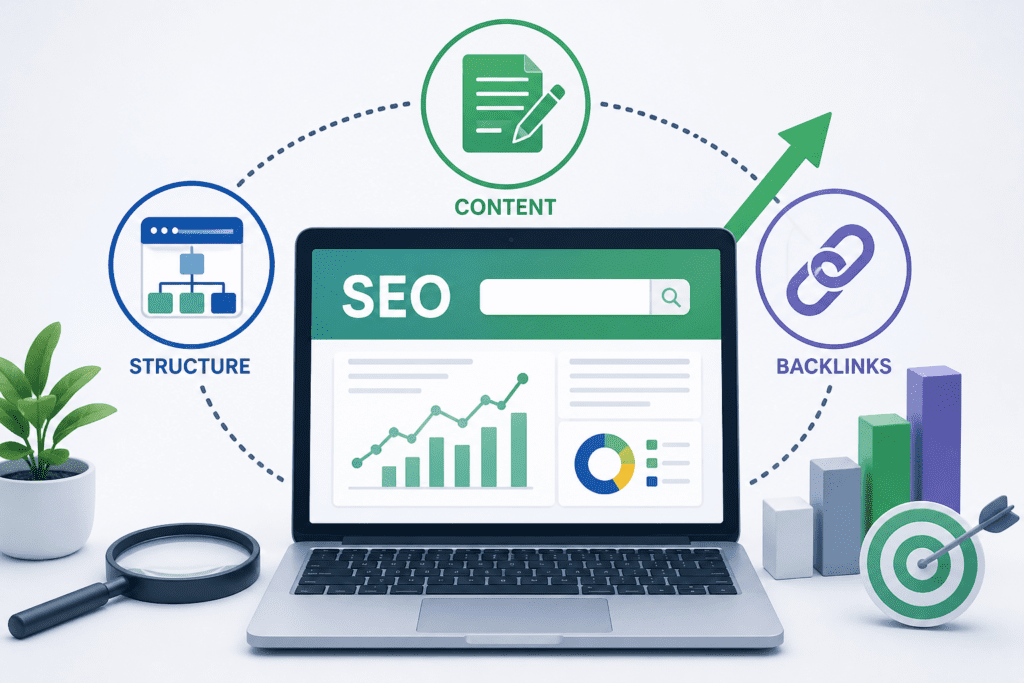
Conduct extensive keyword research to identify relevant search terms.
Improve on-page sections including titles, meta descriptions, and headers.
Improve search engine rankings and organic traffic by building high-quality backlinks from trusted websites and creating valuable, user-focused content.
Optimizing a website’s visibility in local search results for location-based searches. Digital marketing syllabus includes generating to improve Google My Business listings, local citations, or collecting feedback and ratings from happy consumers.
SEO is an ongoing activity, so examine and update your plan on a frequent basis in response to performance data and industry changes. Keep up with algorithm updates, trends, and best practices in the SEO field.
Content Marketing Strategy
Content Marketing Strategy
Content marketing involves creating and sharing valuable content to attract your target audience. For example, this content can include blogs, videos, infographics, and podcasts.
Moreover, understanding your audience’s needs helps you create relevant content. As a result, your content becomes more engaging and useful.
In addition, maintaining a consistent tone and style strengthens your brand identity. Therefore, it builds trust and credibility over time.
Plan Your Content Strategy
First, create a clear roadmap. Define the type of content you will produce, the platforms you will use, and your publishing schedule.
In addition, focus on creating content that is informative, engaging, and valuable. Use different formats such as blog posts, videos, infographics, and podcasts to keep your audience interested.
Collaborate and Expand Reach
Moreover, collaborate with other companies, influencers, or organizations. This helps you co-create and promote content effectively.
As a result, you can reach new audiences, increase credibility, and build trust within your industry.
Optimize and Improve Performance
Finally, continuously update your content strategy. Use performance data, audience feedback, and industry trends to improve your approach.
In addition, experiment with different content formats, channels, and messaging. Therefore, you can identify what works best for your audience.
Social Media Marketing Strategy
Social Media Marketing Strategy Overview
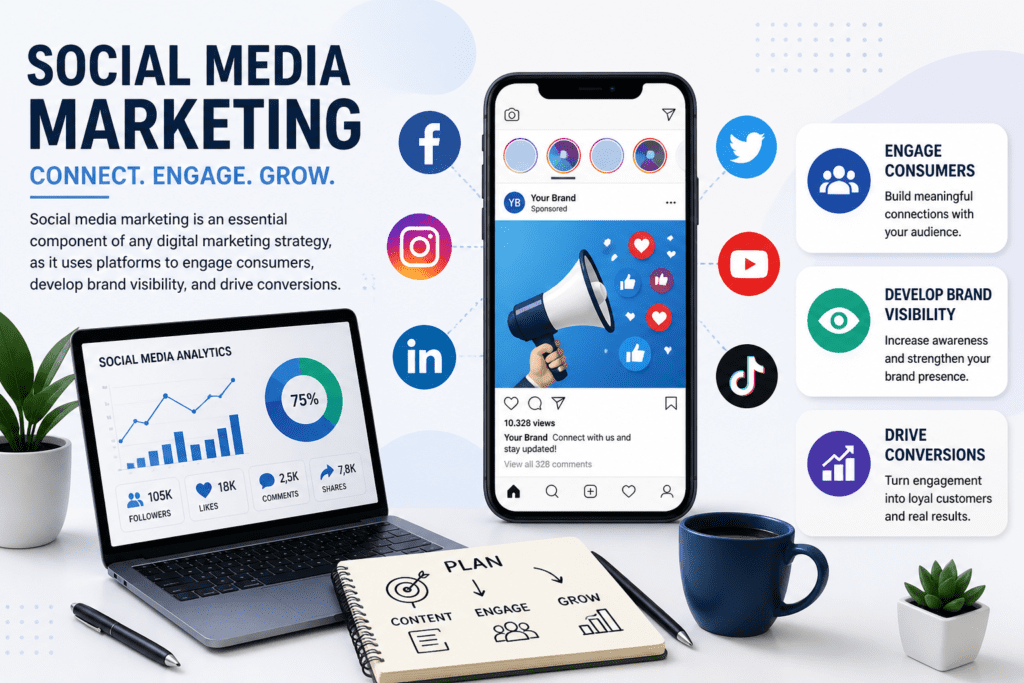
“Social media marketing strategy involves defining goals, understanding the audience, selecting platforms, creating engaging content, and reviewing results for effective online presence.”
Maintain consistent branding across all of your social media channels, including graphic components, tone of voice, and text. This reinforces your brand’s identity and makes it easier for your target audience to recognize and remember you.
Define Clear Goals
Determine what you want to accomplish with your social media initiatives, such as raising brand awareness, driving website traffic, generating leads, or increasing sales.
Using A/B testing, you may experiment with different email elements such as subject lines, content, calls-to-action, and send times. Analyze the findings to see which variables perform best, and then tweak your email campaigns for optimal efficacy.
Engage with Your Audience
Moreover, engage actively with your audience. Respond to comments, messages, and mentions. This helps build relationships and encourages interaction.
Leveraging social media advertising means using platforms like Facebook Ads, Instagram Ads, and LinkedIn Ads to target certain demographics, interests, and behaviors with paid promotional content.
Use paid advertising platforms like Facebook Ads, Instagram Ads, Twitter Ads, LinkedIn Ads, and Pinterest Ads to broaden your reach, increase website traffic, and produce leads or purchases. To improve your campaigns, test multiple ad styles, targeting options, and budgets.
Email Marketing Strategy
The email marketing strategy entails developing and implementing a plan for efficiently using email to promote products, services, or content to a specific audience.
Digital marketing strategy define clear and measurable objectives for your email marketing efforts, such as increasing sales, promoting brand awareness, driving website traffic, or nurturing leads.

Creating an email list entails gathering contact information from interested prospects using a variety of channels, including website sign-up forms, social media, gated content, and events.
Share insightful and educational articles with your subscribers to add value and create your authority in your industry or specialty. This could contain how-to instructions, tips, tutorials, case studies, or industry insights that address your target audience’s pain areas.
Digital marketing automation entails employing software tools to automate repetitive processes across several digital channels, including email marketing, social media, and advertising. It streamlines operations, increases productivity, and allows for personalized contact with audiences.
Effective email campaigns involve meticulous attention to detail and strategic strategy. Begin by establishing clear objectives and identifying your target audience. Create captivating subject lines and unique content that resonates with your audience. Make unambiguous calls to action and optimize for mobile devices.
Pay-Per-Click (PPC) Advertising Strategy
Pay-Per-Click (PPC) advertising is a digital marketing strategy where advertisers pay a fee each time their ad is clicked. It’s a model used to drive traffic to websites, where advertisers bid on keywords relevant to their target audience. When users search for those keywords, the ads appear at the top or bottom of search engine results pages (SERPs).
Effective PPC campaigns require strategic keyword selection, compelling ad copy, and continuous optimization to maximize return on investment and achieve marketing goals.
Social media advertising entails promoting content or advertisements on prominent social media sites including Facebook, Instagram, Twitter, LinkedIn, and Pinterest.
Target users who have already visited your website or connected with your brand but have not yet converted. Create personalized remarketing ads based on their individual interests or habits to re-engage them and boost conversion.

Google Ads, which displays ads on Google search results and partner sites, as well as Meta Ads and LinkedIn Ads, are popular PPC advertising platforms. Each platform provides distinct targeting possibilities and ad styles for effectively reaching out to certain audiences.
Creating and optimizing PPC ads entails conducting extensive keyword research, writing attractive ad copy, determining bid strategies, and targeting specific audiences.
Influencer Marketing Strategy
Influencer marketing is a type of marketing in which you collaborate with people who have a large and active following on social media or other platforms to promote products, services, or brands to their audience.
Research and find influencers whose demographics, hobbies, and values are similar to your business and target audience.
Research to apply appropriate hashtags to boost your content’s visibility while attract a larger audience. Create branded hashtags for your campaigns and encourage your target audience to use them when sharing relevant material.
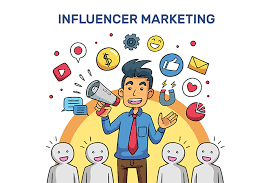
Collaborate with influencers to develop authentic and engaging content that highlights your brand or products in a natural and relatable manner, ensuring that it resonates with their target audience.
Ask influencers to share the sponsored material on their social media channels, blogs, or other platforms, and promote it to their followers.
Collaborate with other YouTubers or influencers in your niche to reach new audiences while building on their existing fan base. Cross-promote each other’s material on social media platforms and in video descriptions to increase exposure.
Website Optimization Strategy
A website optimization plan is a systematic approach that improves many aspects of a website’s performance, user experience, and effectiveness in meeting corporate objectives.
A digital marketing strategy entails studying, testing, and optimizing many aspects of a website to ensure that it fits the demands of both users and search engines.
Clearly identify the goals and key performance metrics that you hope to achieve through website optimization. These objectives could include increasing traffic, improving conversion rates, increasing engagement, or improving the user experience.
Include social media sharing buttons and widgets to promote social sharing and interaction. Use social media channels to promote website content and increase visitors to the site.

Conduct extensive research to better understand your target audience’s demographics, preferences, behaviors, and pain concerns. This information will help you customize your optimization efforts to better match their needs.
Create high-quality, relevant, and engaging content that speaks to your target audience. Optimize on-page features like titles, headers, meta descriptions, and keywords to increase search engine visibility.
Improve website usability and navigation to enhance the user experience. Simplify website layout and design, optimize forms and checkout procedures, and include clear calls-to-action (CTAs) to successfully direct customers through the site.
Video Marketing Strategy
A video marketing strategy entails producing and distributing video content to meet sure marketing objectives.
Define goals. Determine your goals for video content, whether they are to raise brand awareness, drive website traffic, generate leads, or increase sales.
Know your audience. To make videos that appeal to your target audience, research and understand their demographics, tastes, and behaviors.
Create engaging and visually appealing thumbnails that persuade visitors to click on your videos. Make your thumbnails stand out in search results and recommended films by using high-quality images, clear text, and brilliant colors
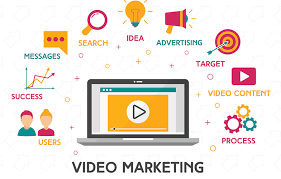
Select video types: Choose the types of videos that are most appropriate for your aims and audience, such as instructional videos, product demos, customer testimonials, or behind-the-scenes footage.
Video marketing platforms include YouTube, the world’s largest video-sharing platform, as well as social media networks such as Facebook, Instagram, and TikTok. These platforms allow organizations to develop, distribute, and promote video content in order to reach and engage their target audiences more efficiently.
Analyze your YouTube analytics on a regular basis to keep track of critical data like view time, audience retention, click-through rate, and subscriber growth.
Analytics and Data Analysis Strategy
Analytics and data analysis involve examining data to uncover insights and patterns that guide decision-making and strategy. Moreover, this process helps businesses understand trends and improve performance.
First, clearly define the aims and goals you want to achieve through analytics and data analysis. In addition, identify the key questions or problems you need to solve.
Next, identify the data sources that match your goals. For example, you can use internal databases, third-party sources, customer feedback, and social media data.
Then, collect the required data and ensure its accuracy and reliability. Furthermore, clean, convert, and organize the data for effective analysis. At the same time, follow data privacy and security guidelines throughout the process.
First, choose the right analytical approaches based on your goals and the type of data you use. For example, you can apply statistical analysis, machine learning techniques, or predictive modeling.
Next, interpret the results of your analysis to gain actionable insights. Moreover, identify key facts, trends, correlations, and patterns that support better decision-making.
Finally, invest in your organization’s ability to build the necessary skills and expertise for effective analytics. In addition, you can conduct training programs, hire data specialists, or use external expertise to strengthen your capabilities.
Digital Marketing Strategy:
Setting Objectives and Goals
Setting clear goals is essential for success. These goals should align with your business objectives.
For example, goals may include increasing traffic, generating leads, or improving engagement.
In addition, prioritizing goals helps focus your efforts. Therefore, businesses can achieve better results.

Prioritize your goals based on their importance, urgency, and potential impact on your business objectives. Some digital marketing strategies may be more critical than others and may require more resources or attention.
Ensure that all stakeholders within your organization are aware of the objectives, goals, and strategies outlined in your digital marketing plan. Effective communication and alignment across departments will facilitate collaboration and support for the execution of your digital marketing initiatives.
Conclusion
In conclusion, a strong digital marketing strategy requires planning, execution, and continuous improvement.
Moreover, combining different channels like SEO, social media, and email marketing increases effectiveness. As a result, businesses can reach more users and improve engagement.
In addition, tracking performance helps optimize campaigns. Therefore, businesses can maximize ROI.
Finally, adapting to trends and focusing on user needs ensures long-term success in the digital world.