The Role of SEO in Digital Marketing: What You Need to Know
SEO in digital marketing plays a crucial role in online success. In today’s competitive environment, standing out is essential. Moreover, it improves visibility and drives targeted traffic. As search engines evolve, marketers must adapt quickly to stay ahead. Therefore, businesses should use SEO as a core part of their strategy.
1. What is SEO In Digital Marketing
How SEO Works
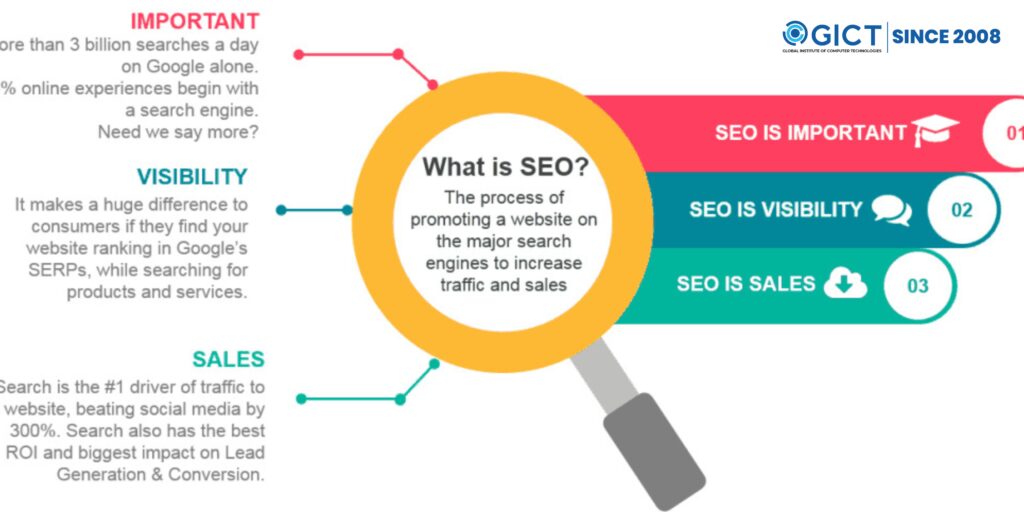
Search engine optimization (SEO) helps websites rank higher on search engines like Google and Bing. In digital marketing, it increases organic traffic by improving visibility for relevant keywords. As a result, potential customers can find businesses more easily.
Moreover, SEO includes techniques such as content optimization, link building, and improving website speed. It also focuses on mobile-friendliness and user experience. Therefore, businesses can align their content with both search engine algorithms and user intent.
2. The Importance of SEO in Digital Marketing
SEO plays a key role in driving traffic and building trust. In addition, it improves visibility and helps businesses reach the right audience. As a result, companies can grow faster in competitive markets.
- More Traffic and Exposure: Higher rankings increase visibility and bring more visitors to your website.
- Cost-Effective Strategy: Unlike paid ads, SEO generates organic traffic with long-term benefits.
- Improved User Experience: Optimized content and faster websites enhance engagement.
- Credibility and Trust: Users trust websites that appear at the top of search results.
- Higher Conversion Rates: Targeted traffic leads to better conversions and business growth.
In short, SEO ensures your brand reaches the right audience and achieves consistent growth.
3. Key Components of SEO in Digital Marketing
SEO consists of three main components. Each one plays a vital role in improving rankings and user experience.
1. On-Page SEO
On-page SEO focuses on optimizing elements within your website.
- Keyword Optimization: Use relevant keywords to match search intent.
- Content Quality: Create valuable and engaging content.
- Meta Tags: Optimize titles and descriptions for better visibility.
- URL Structure: Keep URLs clean and easy to read.
- Internal Linking: Connect related pages to improve navigation.
2. Off-Page SEO
Off-page SEO focuses on activities outside your website.
- Backlinks: Get links from authoritative websites to build credibility.
- Social Media Signals: Engage users to increase brand awareness.
- Online Reputation: Manage reviews and mentions to build trust.
3. Technical SEO
Technical SEO improves the backend of your website.
- Site Speed: Ensure fast loading times.
- Mobile Optimization: Make your site responsive on all devices.
- XML Sitemap: Help search engines crawl your pages easily.
- Structured Data: Improve content understanding with schema.
- SSL Security: Use HTTPS to build trust and improve rankings.
Together, these components improve performance and strengthen your SEO strategy.

4. How SEO Drives Website Traffic and Enhances User Engagement
SEO helps businesses attract the right audience and improve engagement. Moreover, it aligns content with user intent and search engine algorithms.
Role of SEO in Traffic Growth
SEO increases visibility by ranking content for relevant search queries. As a result, more users discover your website. Higher rankings also lead to better click-through rates and increased traffic.
Role of SEO in User Engagement
SEO also improves user experience. Faster loading speeds and mobile-friendly designs keep users on your site longer. In addition, high-quality content encourages visitors to explore more pages.
As a result, businesses can reduce bounce rates and increase conversions. Therefore, SEO supports both traffic growth and user engagement.
5. Best Practices for SEO in Digital Marketing Strategy
Best practices help improve rankings and drive consistent results. In addition, they enhance user experience and engagement.
- Keyword Research: Identify keywords using tools like Google Keyword Planner or SEMrush.
- High-Quality Content: Create useful and engaging content for users.
- Mobile Optimization: Ensure your website works well on all devices.
- Technical SEO: Improve speed, security, and crawlability.
- Quality Backlinks: Build links from trusted websites.
- Content Updates: Keep content fresh and relevant.
- Local SEO: Optimize your business for local searches.
Therefore, applying these strategies helps businesses achieve long-term growth.
6. Common SEO Mistakes to Avoid
Common SEO Mistakes to Avoid can make your website fail and diminish your prospects for high search engine ranking. Some of the most common SEO mistakes to avoid include:
1. Keyword Stuffing
Excessive use of keywords in content in an unnatural manner can result in bad user experience and search engine penalties. Prioritize using keywords naturally and strategically to match user intent.
2. Neglecting Mobile Optimization
With increasing mobile users, not optimizing your site for mobile phones can lead to a sharp decline in rankings and user interaction. Make your site mobile-friendly and fast across all devices.
3. Neglecting Technical SEO
Technical SEO is important to make your website crawlable and indexable by search engines. Failing to address problems such as broken links, page load times, or a non-optimized URL structure can damage your SEO efforts.
4. Failure to Update Content on a Regular Basis
Outdated or irrelevant content can damage your rankings. Update your content on a regular basis to keep it fresh, valuable, and relevant to the needs of your audience.
5. Failing to Address User Experience (UX)
Poorly designed navigation, long loading times, and a garbled design are enough to chase visitors away and lower rankings. Prioritize enhancing overall user experience to keep visitors interested.
Steering clear of these typical SEO errors will help increase your site’s visibility, enhance user interaction, and ultimately bring better outcomes for your company.
6. SEO Trends in Digital Marketing: What’s Coming in the Future?
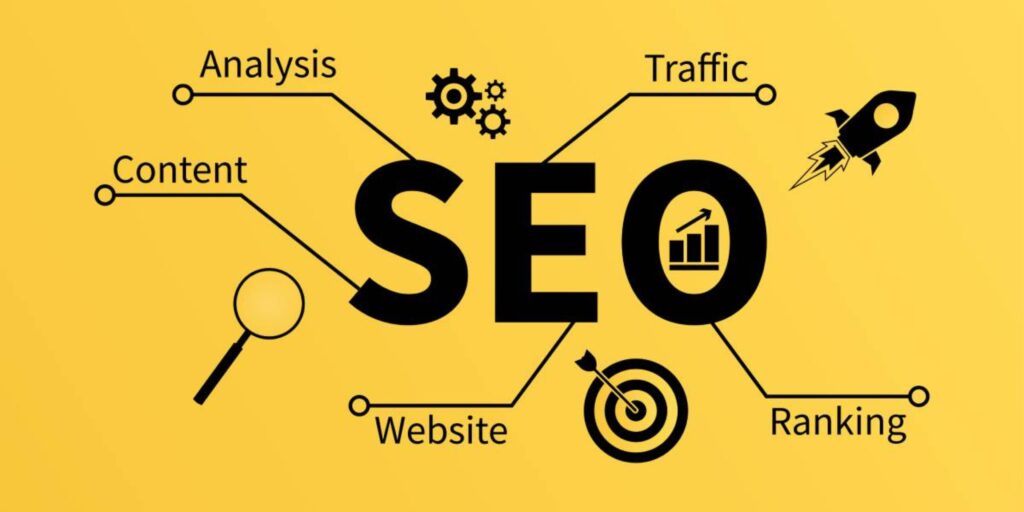
SEO Trends in Digital Marketing: What’s on the Horizon? present important changes and developments in SEO that companies need to adopt to remain competitive. As search engines change, SEO tactics change along with them. These are the leading trends transforming the future of SEO:
1. AI and Machine Learning
Search engines are now relying more on AI and machine learning to determine search intent and provide more personalized results. Google’s BERT, for instance, assists in understanding context better, compelling companies to produce high-quality content that is contextually sound.
2. Voice Search Optimization
As voice assistants such as Siri and Alexa are becoming increasingly popular, voice search optimization is no longer a luxury but a requirement. This translates to using long-tail terms, question-related queries, and natural language based on how naturally people talk.
3. Mobile-First Indexing
Mobile-first indexing from Google ensures the mobile site ranks higher. Since mobile usage will continue to grow, websites now need to cater to mobile audiences with quick page loads, flexible design, and easy navigation.
4. User Experience (UX) Signals
User experience will be an increasingly important ranking signal, led by Google’s Core Web Vitals, which measure page load speed, interactivity, and visual stability. Excellent UX will be important to help keep sites in top rankings.
5. Featured Snippets and Rich Results
Featured snippets and rich results are on the rise in SERPs. Companies need to optimize content for these formats, employing structured data to be shown in these attention-grabbing spots.
6. E-A-T (Expertise, Authoritativeness, Trustworthiness)
Content quality and trustworthiness will continue to be crucial, particularly in sectors such as health and finance. Search engines will keep favoring content from trusted and authoritative sources.
By remaining consistent with these trends, companies can have a solid SEO plan that fosters organic growth and stays competitive within an evolving environment.
Ready to boost your online presence? Begin optimizing with SEO today!
Conclusion
SEO in digital marketing is not just a technical process; it is a powerful growth strategy. In addition, it improves visibility and attracts high-quality traffic. As a result, businesses can increase engagement and conversions. Therefore, staying updated with SEO trends is essential for long-term success.