Motion Graphics Trends to Watch in 2026
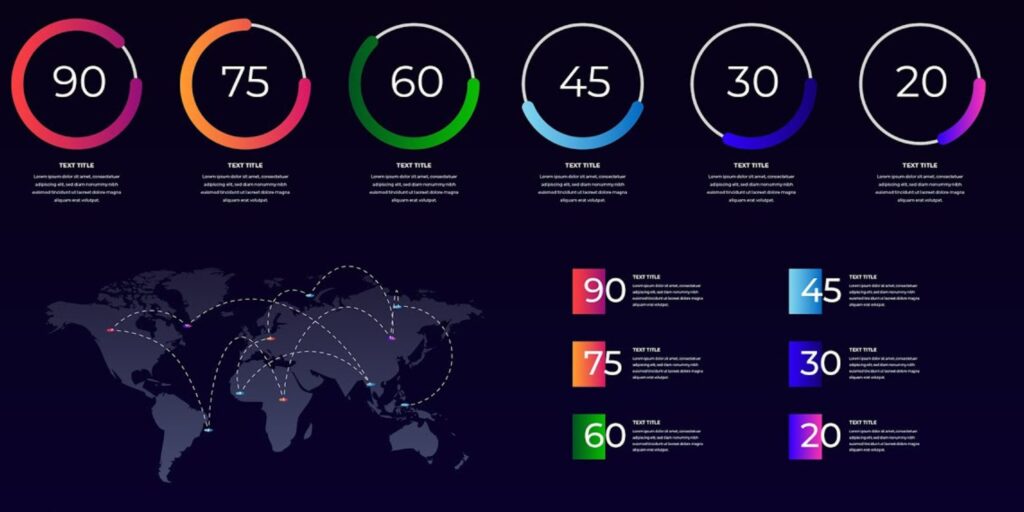
Motion graphics are animated designs that combine typography, illustrations, and animation to create dynamic visual content. Moreover, motion graphics use moving shapes and text to convey information, tell stories, and evoke emotions effectively.
Unlike traditional animation, motion graphics focus on design elements and smooth transitions rather than character-driven storytelling. Additionally, motion graphics appear across media like television, films, music videos, games, websites, apps, and social platforms. They enhance visual impact and communicate messages more clearly than static images or text alone.
3D Motion Graphics
3D motion graphics use three-dimensional elements to create visuals with depth, realism, and movement in a virtual space. Moreover, motion graphics in 3D feel more immersive and dynamic than traditional flat designs.
Unlike 2D styles, 3D motion graphics rely on models, textures, lighting, and camera angles to build engaging content. As a result, they create visually striking experiences that capture attention more effectively.
Key Features of 3D Motion Graphics
The application of 3D modeling and rendering gives a greater depth as well as realism to the objects and the environments.
Camera Movement: Unlike 2D Motion Graphics, 3D motion graphics can involve camera movements like rotation, zoom, and pan, enhancing the dynamic nature of the content.
Lighting and Shadows: 3D graphics are capable of creating complex lighting effects and shadows which add realism and visual interest.
Interactivity: In digital applications such as VR or AR, 3D motion graphics can be interactive. The user will interact with the content in real time.
Detailed textures materials and environmental elements have been part of 3D motion graphics that have fostered the idea of the overall aesthetic and impact.
Common Use of 3D Motion Graphics
Product Visualization: Firstly, brands use motion graphics in 3D to showcase products with 360-degree views and interactive walkthroughs.
Visual Effects (VFX): Moreover, films and TV shows use motion graphics to create realistic effects that blend with live-action scenes.
Explainer Videos: Additionally, motion graphics simplify complex ideas through 3D animations that clearly demonstrate processes, concepts, and data.
Branding and Advertising: Furthermore, 3D logos and animations attract attention and help build strong, memorable brand identities.
Gaming Industry: In addition, motion graphics create realistic characters, environments, and special effects in modern games.
Overall, motion graphics play a vital role in design and entertainment, enhancing realism, creativity, and user engagement across platforms.
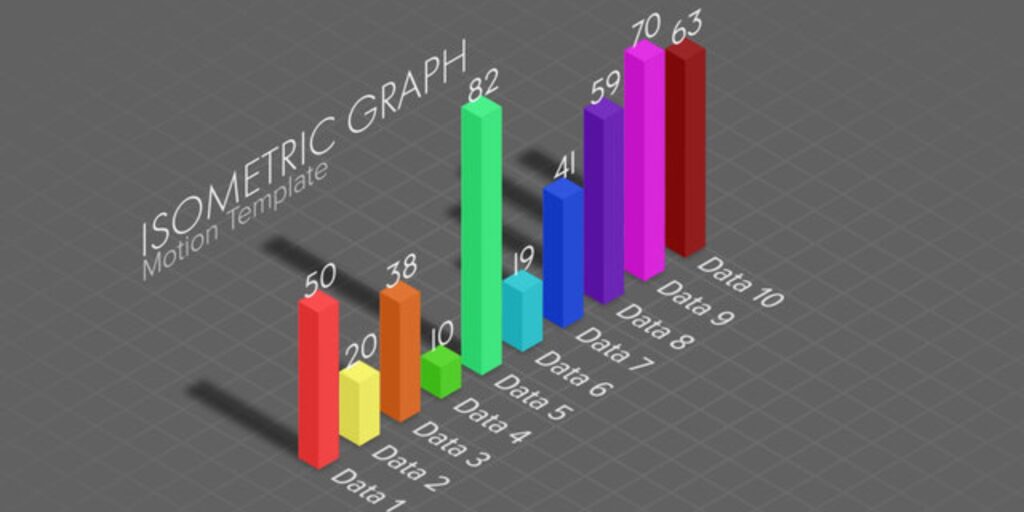
Dynamic Typography
Dynamic typography uses animated text in motion graphics and video to create engaging visual communication. Moreover, motion graphics enhance storytelling by adding movement, timing, and visual effects to text elements.
Unlike static text, dynamic typography changes size, position, color, and opacity to express ideas clearly. As a result, it emphasizes emotions and strengthens the overall impact of the message.
Key Characterstics of Dynamic Typography
Movement: Firstly, motion graphics rely on text movement. It can slide, fade, bounce, or rotate along with video or audio.
Timing: Moreover, timing and rhythm are crucial. Text often follows music, voiceovers, or sound effects to highlight key moments.
Interactivity: Additionally, text can interact with images or illustrations, creating a connected and responsive visual experience.
Benefits of Dynamic Typography
Increased Engagement: Firstly, motion graphics with animated text capture attention and keep viewers interested, especially in fast-paced digital content.
Clear Communication: Moreover, dynamic typography highlights key messages, helping audiences understand and remember information more easily.
Enhanced Storytelling: Additionally, syncing text with visuals and audio strengthens emotional impact and improves storytelling effectiveness.
Aesthetic Appeal: Furthermore, well-designed typography adds a polished, creative, and professional look to videos and animations.
Overall, motion graphics with dynamic typography are powerful tools in modern video production. They enhance creativity, improve communication, and make content more engaging and memorable.
Hand-Drawn Animation
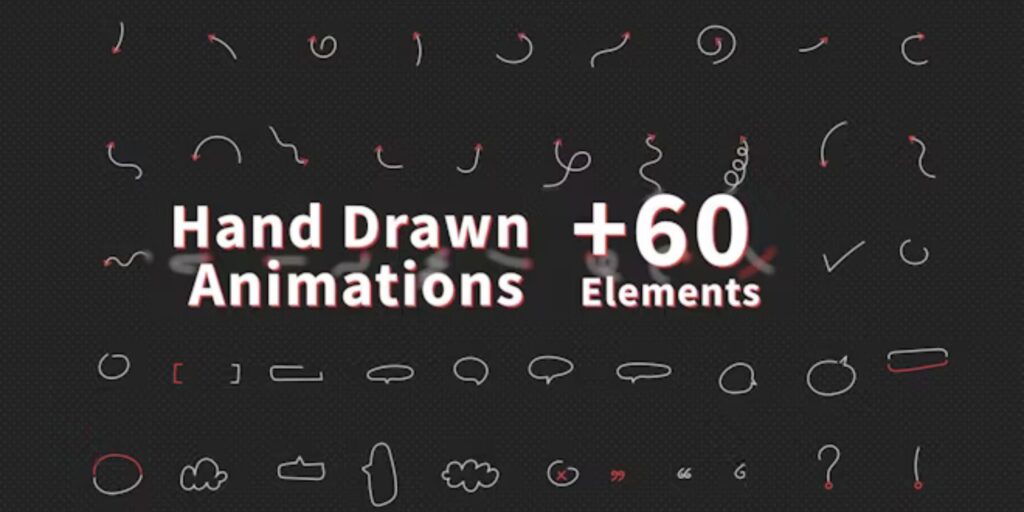
This hand-drawn animation simply refers to drawing individual frames manually. Each and every drawing may be a slight variation of the previous one but makes way for the visual illusion of motion when played consecutively. As such, the style of this animation has always been nostalgic as it speaks of organic qualities and artistic movements.
Key Characterstics of Hand-Drwan Animation
Frame-by-Frame Creation: Firstly, artists draw each frame manually. Slight changes between frames create smooth movement when played quickly.
Organic and Expressive: Moreover, hand-drawn motion graphics feel fluid, expressive, and unique. Each frame reflects the artist’s personal style.
Traditional Techniques: Additionally, artists draw on paper or transparent cels. This classic method is linked to studios like Disney and Warner Bros..
Frame Rate and Timing: Furthermore, hand-drawn animation often uses lower frame rates, such as 12 frames per second. This creates a stylized and artistic effect.
Types of Hand-Drawn Animation
Traditional 2D Animation: Firstly, motion graphics often begin with classic 2D animation, where characters and scenes are drawn on a flat surface.
Rotoscoping: Moreover, animators trace over live-action footage to capture realistic movement while maintaining a hand-drawn style.
Stop Motion with Hand-Drawn Elements: Additionally, some stop motion projects combine 3D puppets with hand-drawn details, creating a unique and tactile visual style.
AI and Machine Learning Integration
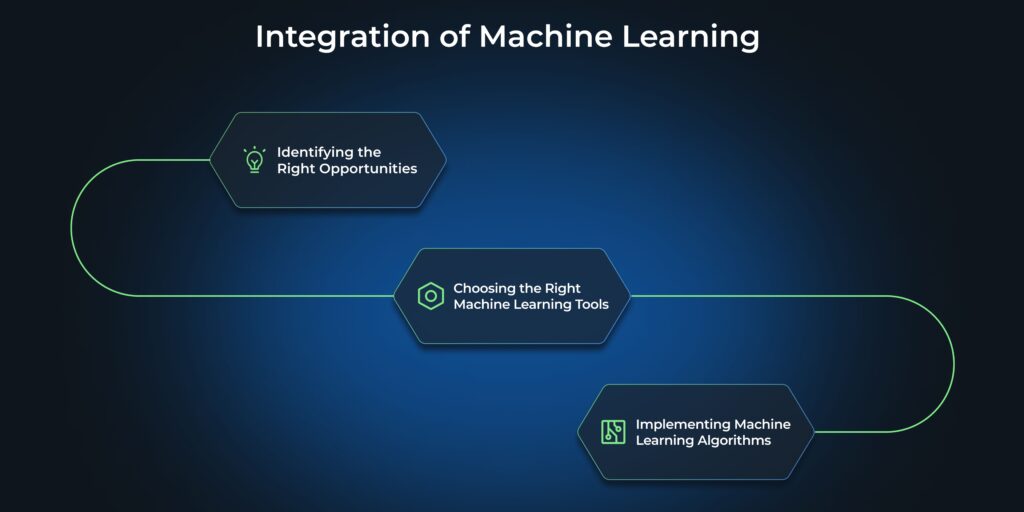
Integration of Artificial Intelligence and Machine Learning in Animation refers to the application of AI and ML technologies for the purpose of enhancing and automating most aspects of animation and motion graphics creation. AI and ML have transformed the animation industry by optimizing creative workflow, offering new tools, and elaborating on more fluid workflows. These technologies are applied for helping animators, designers, and content developers in creating better quality output with less time and effort.
Key ways AI and Machine Learning are Integrated in Animation
Automated In-Betweening: Firstly, motion graphics benefit from AI-powered in-betweening, where tools generate frames between keyframes automatically. This reduces manual work and speeds up animation workflows significantly. Moreover, platforms like DeepMotion use keyframe data to create smooth transitions with minimal effort.
Facial Animation and Motion Capture: Additionally, AI enhances facial animation by tracking expressions and improving emotional realism in characters. Machine learning also improves motion capture accuracy by analyzing real human movements. For example, Adobe Character Animator tracks facial expressions and maps them onto digital characters in real time, making animations more lifelike and expressive.
Benefits of AI and Machine Learning in Integration
More efficiency: AI tools will automate the repetition and time consuming tasks so that animators have more time to be creative.
Cost-Effective: Streamlining the production process AI and ML can cut down the costs of animation especially for smaller studios or independent creators.
Creative exploration: machine learning will introduce artists to novel styles animations and even ways of storytelling which can somewhat break the shell of traditional animation.
Real-Time Feedback: AI based systems give instant analysis and adjustments so that animators can refine their work as they go along and make improvements much faster.
Interactive Motion Graphics
Interactivity means when the graphics respond to user’s inputs and thus offer a better experience than mere motion graphics. Traditional motion graphics play in a linear fashion, but with interactive motion graphics, a user can use their clicks, taps, scrollbar, or gestures to control or influence the content. User interaction can evolve by such dynamics, which is why interactive motion graphics are more widely used on websites, apps, presentations, and immersive media.
Key Features of Interactive Motion Graphics
One can experience an interactive motion graphics toy by allowing for one to act upon it – in other words, through mo use movement, touch, voice commands, or device orientation.
For instance, a website header, where one can see that the animation is different when one is moving his/her curious mouse left and right.
1.Real-time responses: The graphics change with an instant response triggered by the user’s input.
One such example could be an interactive data visualization which depends on the options that the user selects.
2.Dynamic Storytelling: In this case users can navigate and co-drift the story line through interacting with the elements involved in creating an original experience.
To elaborate: Some of the product explainer video can feature the options the user could choose to explore the next feature.
3.Seamless Integration: Often combined with other media such as sound, video, and 3D models to create a cohesive and immersive experience.
Example: An app with animated menus and buttons that react fluidly to touch.
Tools for Creating Interactive Motion Graphics
1.Adobe After Effects: Although usually used for linear animation plugin approaches like Bodymovin for Lottie animations allow interactivity in web environments.
Lottie is a popular tool for implementing lightweight interactive animations on websites and mobile apps.
2.Unity and Unreal Engine: Utilized to produce complex interactive motion graphics for games, VR and AR applications.
3.Canvas and WebGL: Web technologies that allow developers to build interactive graphics directly into websites.
4.Framer and Principle: Interactive prototype design with responsive animations for UI/UX designs.
Nostalgia in Motion Graphics
Nostalgia in motion graphics refers to the process of design approach that is designed to evoke a certain sentimental feeling of the past using retro aesthetics, cultural references, and familiar visual styles. Such a creative approach is a manipulation of the emotions that a certain era creates between the viewer and the visual stimulus, using comfort, familiarity, and engagement in the message or the story presented. It has been applied for branding advertising film and digital media to attract multigenerational audiences.
Applications of Nostalgia in Motion Graphics
Advertising and Branding:
Brands sometimes employ nostalgia to emotionally bind themselves to their audience, calling back to simpler times–whether to captive audiences seeking an escape into the past of the advertisers’ own youth or to groups of youngsters fascinated by anything retro.
For example, an advertisement for a cool, refreshing beverage with 90’s-style animation that takes viewers back in memory to those carefree childhood days.
Entertainment:
Motion graphic styles that exude nostalgic vibes are used in abundance in titles of TV shows, movies and music videos for recreations of specific times or as a tribute to older media styles.
For example, the good ol’ opening of classic 80s horror titles of titles on a little show (Stranger Things).
Social Media Content:
Nostalgia is frequently featured in short shareable animations, enabling an emotional attachment from viewers to the content.
Example: Instagram reels or TikTok videos with VHS effects or vintage driven transitions.
Why Nostalgia Work in Motion Graphics
1.Emotional Appeal: Nostalgia creates deep emotional pools making people feel warm, happy, and connected. These emotions add up to make their experience with content.
2.Universal Connection: Many retro elements cut across generational boundaries. More than the younger audiences, older audiences who lived during the time would appreciate the nostalgia.
3.Cultural Trends: Today, what used to be retro or nostalgia before has been recaptured in fashion media and design, and that makes it a present-day, contemporary and commercially-relevant aesthetic genre.
4.Memorability: Old memories or memories of other times spark so vividly in our minds because of the way we feel emotionally which immediately places them on a higher scale in comparison to the designs of our time which have no such tie to a particular emotion.
Environmental and eco-Friendly Motion Graphics
Environmental and eco-friendly motion design is the type of motion design that mainly centers on the sustainable living and environmental conservatism; thus, the main slogan is living green Reusing and recycling are the main prerequisites for choosing green life because these concepts are the underlying principles of green living that is necessary to implement to combat environmental problems. We already know that making a conscientious effort to use less energy is both thought & fund saving. If the measures to save the environment were only weighing on the rich people, the government should legislate for the rich to conserve wealth for the sake of the little people that are powerless to the save the planet.
Techniques to Eco-Friendly Motion Design
1.Storytelling with a Purpose:
Apply stories to make the audience feel connected emotionall thereby highlighting the consequence of not taking action and the advantages of sustainability.
2.Transitions:
Smooth transitions that replicate the natural process of growth like a tree or a flower blooming create animations that are visually appealing and thematic.
3.Use of Symbols and Icons:
The use of recycling symbols, solar panels, and wind turbines as universal icons can help convey eco-friendly ideas in the shortest possible time.
4.Looping Animations:
This would mean simple, looping animations in digital signage or eco-friendly advertising.

Discover the best Motion Graphics Trends to Watch in 2026! Design ahead of time read now and boost your creativity!
Conclusion:
By 2026, motion graphics will have evolved further with trends such as 3D animation, interactive visuals, and AI-driven designs paving the way for more immersive and engaging content. This will enable designers to create more dynamic, emotionally resonant and user-focused visuals that capture the imagination of audiences across all platforms. Motion graphics will continue to be an essential tool for brands and creatives looking to leave a lasting impression in the digital world as technology advances.