Job-Oriented Skills to Learn in 2026 for Better Career Opportunities
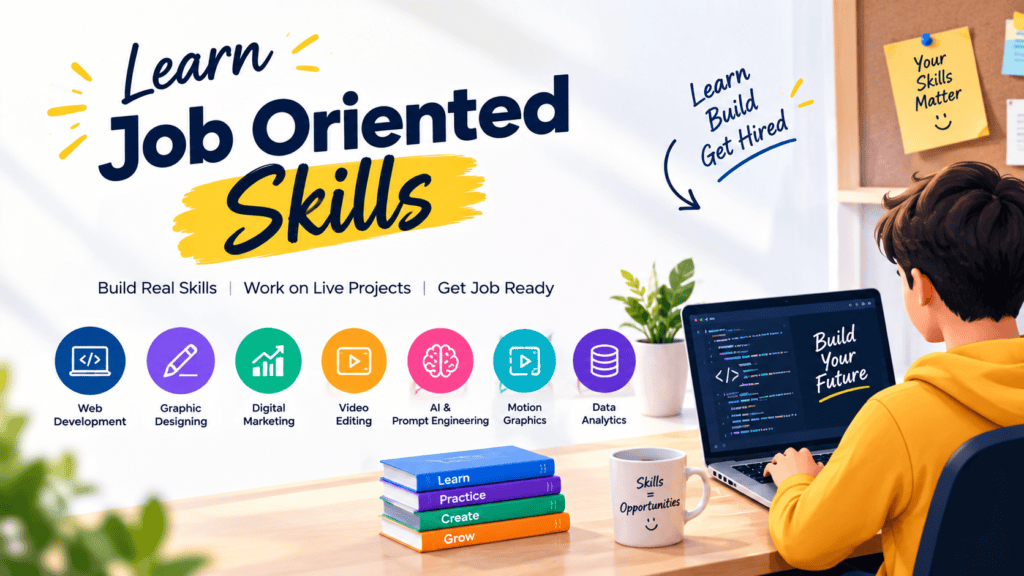
Job-oriented skillsJob-oriented skills are really needed in today’s genration and are very difficult to search. New technologies, AI tools, digital platforms, and changing business needs are creating new career opportunities every year. At the same time, employers are looking for candidates who can do more than simply show a degree or certificate.
Today, Job-oriented skills can make a major difference in your career journey.
Whether you are a student after 12th, a college graduate, a fresher looking for your first job, or a working professional planning to upgrade your career, learning a job-oriented skill can help you become more prepared for the opportunities ahead.
But with so many courses and career options available, one question remains:
Which skills are actually worth learning in 2026?
Here are eight job-oriented skills that can help you build a stronger and more practical career profile.
1. Why Skills Matter in 2026
Skills vs. Degree
A degree can provide a strong academic foundation, but today’s competitive job market also values practical knowledge.
Imagine two candidates applying for the same role. Both have similar educational qualifications, but one has also worked on real projects and knows how to use industry-relevant tools.
The candidate with practical exposure may have a stronger way to demonstrate what they can actually do. This is why Job-oriented skills become increasingly important. Instead of relying only on theoretical knowledge, students can combine their education with practical skills that are relevant to their desired career.
What Employers Look For
Different industries have different requirements, but employers commonly look for candidates who can apply their knowledge to real situations. Depending on the role, this could mean knowing how to analyse data, create a marketing campaign, design professional graphics, edit videos, build websites, or use AI tools effectively. Employers also value candidates who are willing to learn and adapt as technology changes.
Becoming Job-Ready
Being job-ready does not mean knowing everything. It means having a strong understanding of your chosen field, knowing how to use relevant tools, and being able to apply your knowledge through practical work. That is why a Job-oriented skills and a good learning journey should go beyond watching lessons. Learn, practise, create, improve, and build projects.
2. Digital Marketing
Why It’s in Demand
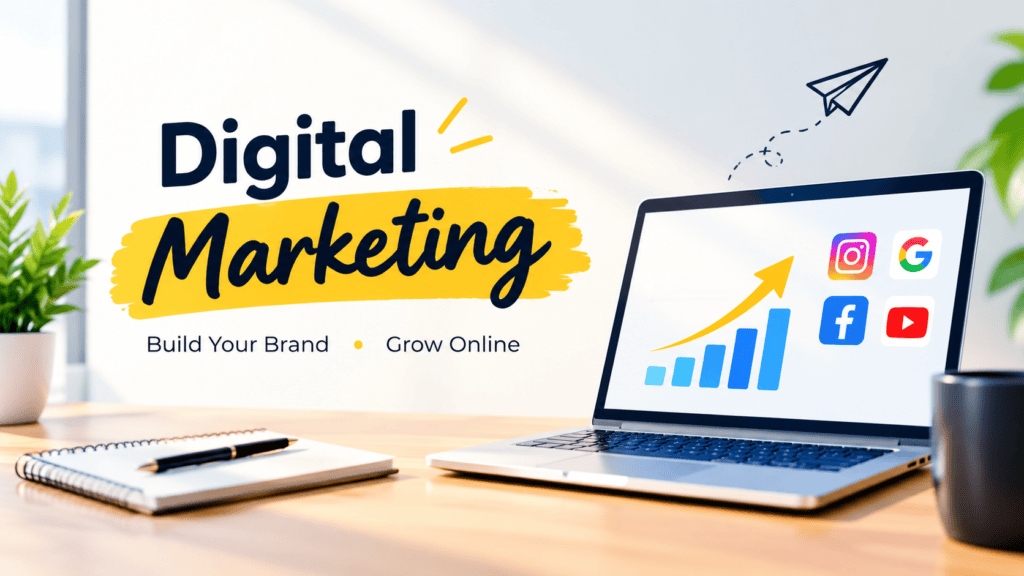
Almost every modern business needs an online presence. Customers search on Google, discover brands through social media, watch videos, compare products online, and interact with businesses through digital platforms. This has made digital marketing an important part of business growth. From startups and e-commerce companies to educational institutes and established brands, businesses need professionals who understand how to reach the right audience online.
Skills You Need
Digital Marketing is a broad field. Some of the most useful areas to learn include:
SEO
Social Media Marketing
Google Ads
Meta Ads
YouTube Marketing
Email Marketing
Content Marketing
Website Development
Learning these skills can help you understand the complete digital customer journey — from attracting an audience to generating leads and driving conversions.
Career Opportunities
A Digital Marketing skill set can open opportunities in roles such as Digital Marketing Executive, SEO Executive, Social Media Executive, Performance Marketing Executive, Content Marketer, and more. It can also be useful if you want to work with clients as a freelancer or eventually promote your own business.
For students interested in marketing, creativity, technology, and business, Digital Marketing can be a practical career skill to explore.
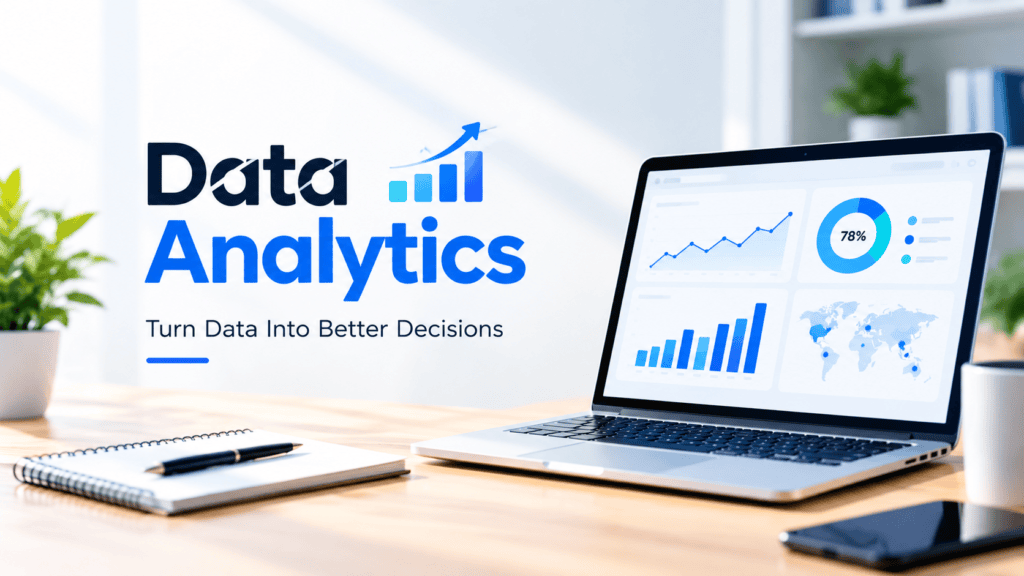
3. Data Analytics
Why Companies Need Analysts
Businesses generate huge amounts of data every day. Sales reports, customer information, website traffic, marketing performance, financial records, and operational data can all provide valuable insights. But data becomes useful only when someone can understand it.
That is where Data Analytics comes in.
Data analysts help organisations examine information, identify patterns, create reports, and present insights that can support business decisions.
Tools to Learn
If you are considering a career in Data Analytics, some important tools and skills include:
Excel
SQL
Power BI
Python
Data Visualization
AI and analytics tools
The objective should not be to memorise software features. Instead, focus on understanding how to use these tools to solve practical problems. For example, you could analyse sales data, identify trends, create an interactive dashboard, and present your findings clearly.
Career Scope
Learning Data Analytics can help you explore roles such as Data Analyst, Business Analyst, Reporting Analyst, and other data-focused positions. It can be especially suitable for people who enjoy numbers, logical thinking, technology, and problem-solving. As businesses continue to depend on data for decision-making, analytical skills can remain valuable across multiple industries.
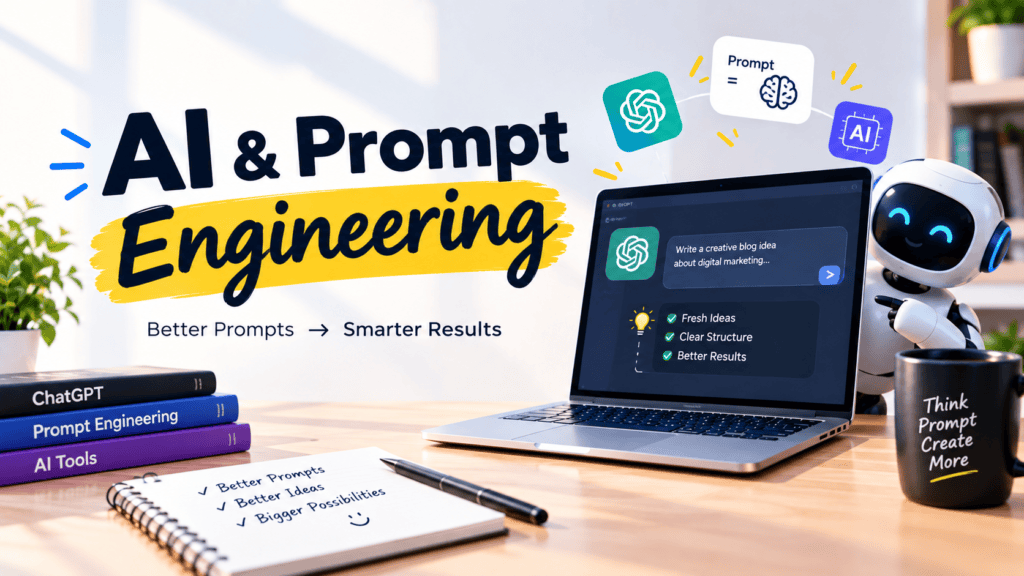
4. AI & Prompt Engineering
The Rise of AI
Artificial Intelligence has moved from being a futuristic concept to a practical workplace technology.
AI tools are now being used for research, content creation, marketing, data analysis, automation, customer service, coding, and many other tasks.
This makes AI literacy an increasingly useful skill for students and professionals.
You do not necessarily need to become a programmer or AI researcher to benefit from AI.
Understanding how to use AI effectively can complement your existing professional skills.
Essential AI Skills
One important area is Prompt Engineering.
Prompt Engineering involves creating clear and effective instructions for AI systems so that they can produce more useful and relevant results.
You can also learn how AI can support research, brainstorming, content creation, data analysis, workflow automation, and productivity.
The most valuable approach is to combine AI with another professional skill.
For example, a digital marketer can use AI for content research and campaign ideas, while a data analyst can use AI to support data-related workflows.
Career Opportunities
AI skills can complement careers across industries.
As businesses continue adopting AI-powered tools, professionals who understand how to work with these technologies may be better prepared to adapt to changing workflows.
The goal is simple: don’t just use AI — learn how to use it intelligently.
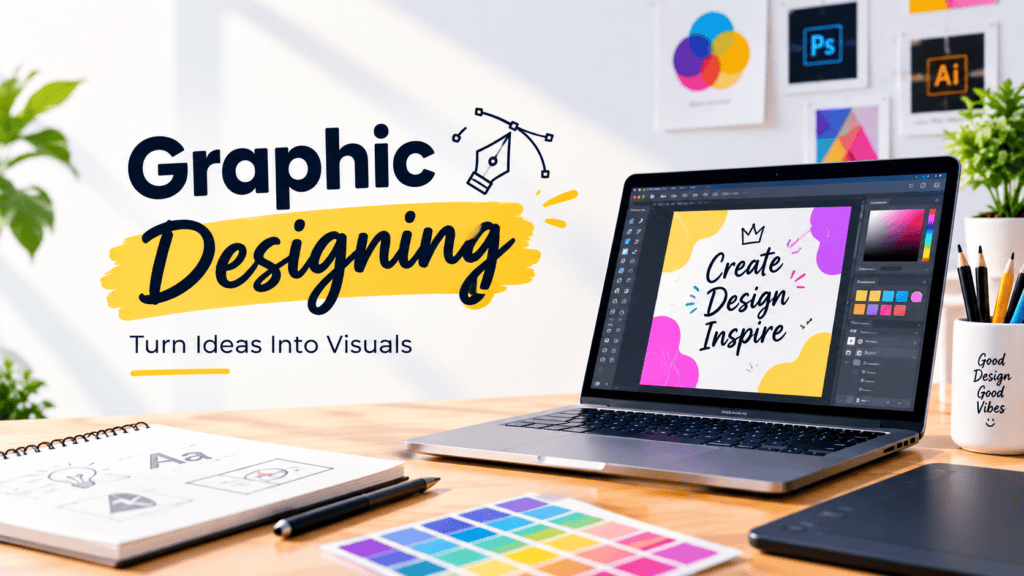
5. Graphic Designing
Creative Career Options
If you enjoy creativity, visual communication, and design, Graphic Designing can become a valuable professional skill. Businesses need graphics for social media posts, advertisements, websites, presentations, packaging, branding, brochures, and marketing campaigns. This means professional design skills can be useful across many industries.
Tools to Learn
A professional Graphic Designing journey can include tools such as:
Adobe Photoshop
Adobe Illustrator
InDesign
Figma
AI-powered design tools
However, knowing software alone does not make someone a good designer. You also need to understand typography, colour combinations, composition, branding, layout, visual hierarchy, and how to communicate a message through design.
Where Designers Work
Graphic designers can find opportunities in advertising agencies, marketing teams, startups, media companies, e-commerce businesses, educational organisations, and design studios. Freelancing is another option for designers who build a strong portfolio and develop client-handling skills. For beginners, creating multiple practical projects can be one of the best ways to demonstrate their design abilities.
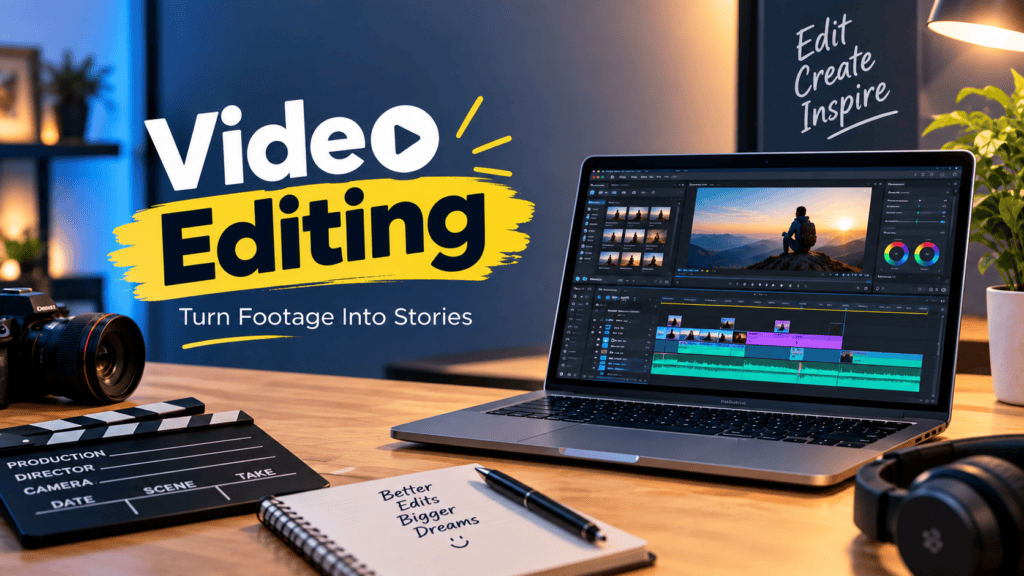
6. Video Editing
Why Video Skills Matter
Video has become one of the most powerful forms of online content. Reels, YouTube videos, advertisements, product videos, educational content, brand campaigns, and social media content all depend on video. As businesses and creators continue producing more video content, the ability to edit engaging videos has become a useful career skill.
Tools to Learn
Aspiring video editors can explore tools such as:
Adobe Premiere Pro
After Effects
DaVinci Resolve
CapCut
AI video tools
But professional video editing is not simply about adding transitions.
A good editor understands storytelling, pacing, audio, visual flow, timing, colour, and audience attention.
Career Opportunities
Video editing skills can lead to opportunities with advertising agencies, production houses, social media teams, content creators, brands, media companies, and businesses. You can also explore freelance video editing once you have developed a strong portfolio. If you enjoy creativity, storytelling, and technology, video editing can be a practical skill to consider in 2026.
7. Motion Graphics
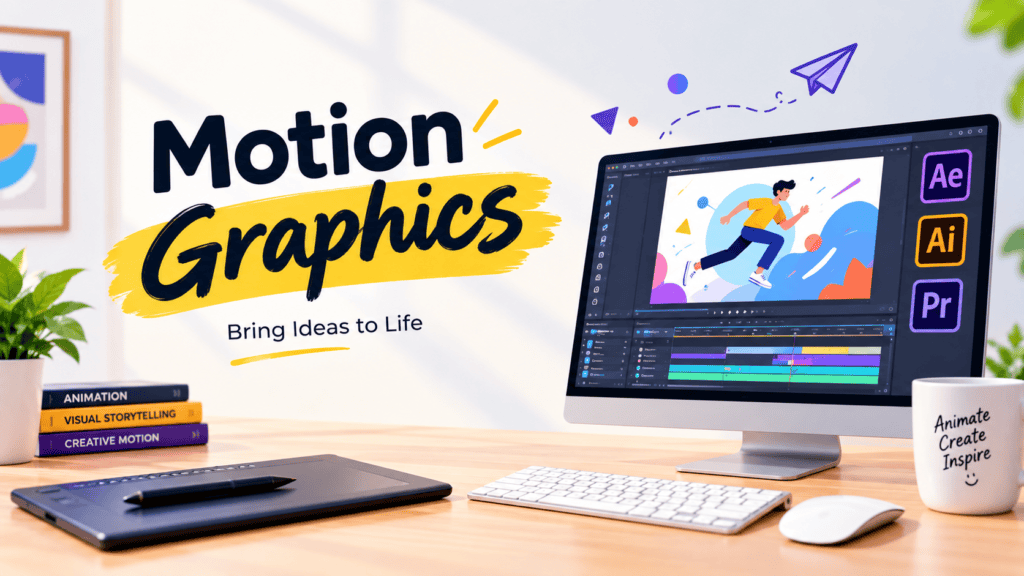
What Is Motion Graphics?
Motion Graphics combines graphic design with animation. Instead of keeping a graphic static, motion graphics adds movement, timing, transitions, animation, and visual effects to communicate an idea more effectively. You may see motion graphics in advertisements, social media videos, brand campaigns, presentations, YouTube content, and promotional videos.
Skills to Develop
Professionals interested in Motion Graphics can explore tools such as:
Adobe After Effects
Illustrator
Photoshop
Premiere Pro
Along with software, understanding animation principles, timing, typography, composition, visual storytelling, and movement is important. The more you practise, the better you can understand how static designs can be transformed into engaging visual experiences.
Career Scope
Motion Graphics can create opportunities in advertising agencies, media companies, production studios, marketing teams, content agencies, and freelance projects. It can also be an excellent additional skill for graphic designers and video editors who want to expand their creative capabilities.
8. Web Development
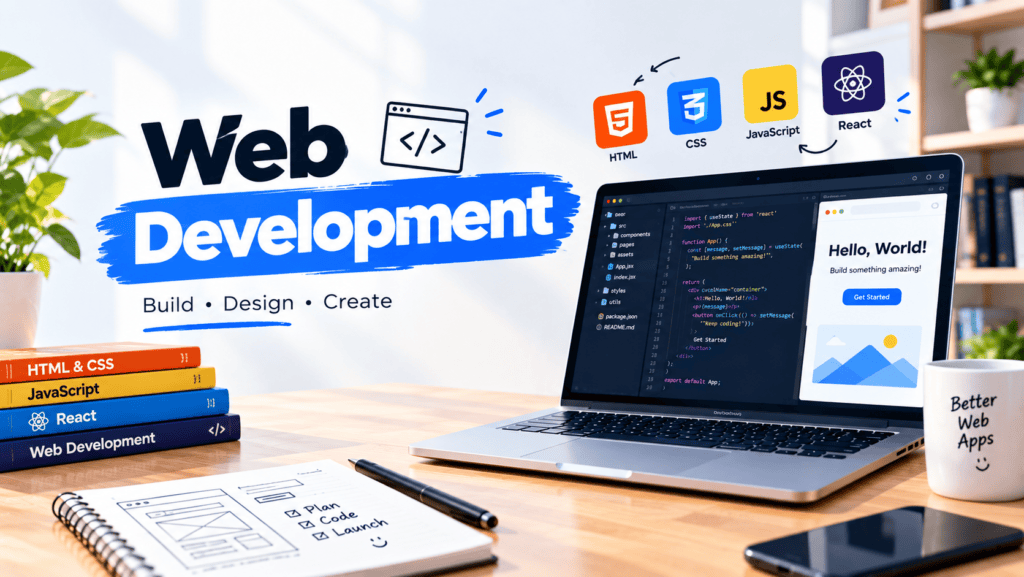
Why Web Developers Are Needed
For many businesses, a website is an essential part of their digital presence. Websites help companies showcase their services, sell products, generate leads, provide information, and interact with customers. As businesses continue moving online, people with web development skills can explore opportunities in a wide range of industries.
Skills to Learn
Beginners can start with fundamental technologies such as:
HTML
CSS
JavaScript
Responsive Web Design
Front-End Development
Back-End Development
Databases
You don’t need to learn everything at once. Start with the fundamentals, practise regularly, and gradually build more advanced projects.
Career Opportunities
Web Development can lead to roles such as Front-End Developer, Web Developer, Full-Stack Developer, and other technology-related positions. One of the biggest advantages of learning web development is that you can demonstrate your skills through actual projects. Instead of simply saying that you know web development, you can show the websites and applications you have created.
Which Skill Should You Choose?
There is no single skill that is perfect for everyone. The right choice depends on your interests, strengths, career goals, and the type of work you want to do.
Choose Based on Your Interests
If you enjoy creativity, you may explore Graphic Designing, Video Editing, or Motion Graphics.
If you enjoy numbers, technology, and problem-solving, Data Analytics could be worth exploring.
If you are interested in business and online growth, Digital Marketing may be a good area to consider.
And if you enjoy technology and coding, Web Development could be a natural direction.
Match Skills With Career Goals
Don’t choose a course simply because it is trending.
First understand what the skill involves, what tools you will learn, what kind of work professionals in that field do, and what career opportunities you can explore.
A clear goal can make your learning journey much more focused.
Start With Practical Learning
Learning becomes more valuable when you can apply it.
Work on projects. Experiment with tools. Create campaigns. Build dashboards. Design graphics. Edit videos. Develop websites.
The more you practise, the more confidently you can demonstrate your job-oriented skills.
Become Job-Ready
Learn
Start with the fundamentals and build a strong understanding of your chosen field.
Practise
Don’t limit yourself to watching tutorials. Apply what you learn through practical exercises.
Build Projects
Projects allow you to turn theoretical knowledge into practical experience and can help you build a portfolio.
Keep Upgrading Your Job-Oriented Skills
Technology changes constantly.
New AI tools, platforms, software, and industry practices continue to emerge. Keep learning and upgrading your skills so that your knowledge stays relevant.
Start Building Your Career With GICT Today
The right job-oriented skills can be more than something you add to your resume. It can become a foundation for your career. Whether you are a student after 12th, a graduate, a fresher, or a working professional looking to upgrade your skills, the important thing is to start.
At GICT (Global Institute of Computer Technologies), students can explore Job-oriented skills in areas such as Digital Marketing, Data Analytics, AI & Prompt Engineering, Graphic Designing, Video Editing, Motion Graphics, and Web Development.
The focus should not be simply on completing a course. It should be on Job-oriented skills that you can actually use. Choose your skill. Learn it. Practise it. Build projects. Keep improving.
Because in 2026, your career can benefit from more than just a qualification — it can benefit from job-oriented skills you can actually put to work.