Clicks, Conversions & Careers: The Digital Marketing Boom
Introduction
In the last 10 years, digital marketing has evolved from a supplementary tactic to the most important tool driving modern businesses, making Digital marketing for career growth more relevant than ever. Whenever you are scrolling through Instagram, searching on Google, or reading a personal email, you are interacting with digital marketing, sometimes without even knowing. The digital capitalist tools that used to belong to big companies are now in the hands of freelancers, startups, and students. The digital marketing boom has created new ways to drive clicks and drive conversions, while unveiling many possible career paths. Entire industries, and careers, are shifting because of the digital marketing boom, now and into the foreseeable future. This blog follows the evolution of digital marketing, core high-performing digital marketing channels, and why this is the best time for you to join the growth of the digital marketing industry.
1. The Rise of Digital Marketing in a Hyperconnected World
In our increasingly connected world, digital marketing has become the linchpin of business growth. With billions of people online, brands can uniquely connect to their audiences in real-time. Unlike traditional methods that relied on one-way mass communication digital marketing allows for bespoke communications based on a user’s behavior, preferences and interests.

The rapid digital trajectory was powered by the proliferation of mobile devices, social media, and affordable internet. Brands are now using every tool – from Google Ads to influencer marketing – to access their targeted audience. The addition of the COVID-19 pandemic has propelled digital an opportunity avenue that acted as the last barrier for even the most stubborn business to adapt to a necessary method of facilitating a transition from tradition to digital marketing.
The evolution from traditional marketing methods to a digital approach establishes more than just a difference in toolset – it represents a fundamental shift in how business is facilitated and engaged in connecting with customers. Digital marketing is no longer a side project; it is the pulse of which resources rely on. Digital marketing comprises every facet of the business, resulting in awareness, engagement, and conversions in an increasingly digital-first world.
2. The Shift from Traditional to Digital: Why It Matters
The shift from traditional methods has transformed communication, and Digital marketing for career growth highlights how brands now connect with audiences more effectively. Earlier, marketing relied on TV, print, and billboards, but targeting and measurable results were limited. Today, digital platforms provide real-time data, allowing businesses to track user behavior, clicks, conversions, and engagement instantly. This data-driven approach enables faster decision-making and more personalized customer experiences across channels. Moreover, consumers now expect convenience, speed, and tailored communication through emails, social media, and AI-driven recommendations. Digital marketing is also cost-effective, allowing small businesses to compete with larger brands through niche targeting. Additionally, trends like influencer marketing and storytelling play a major role in shaping buying decisions. As the digital landscape continues to evolve, adapting to these changes is essential for long-term success.
3. Key Channels Driving Clicks and Conversions
Digital marketing includes many channels, each of which is a vital part of the customer journey. Search Engine Optimization (SEO) allows businesses to show up higher in search results so they can be more visible, which leads to increased organic visibility and increased user trust. Pay-Per-Click (PPC) advertising provides immediate visibility through a targeted campaign on platforms like Google and social channels (Meta).
Email Marketing
Email marketing provides some of the most profitable engagement and return on investment when it comes to nurturing leads and ongoing customer relationships. Social channels including Instagram, Facebook, and LinkedIn allow brands to engage directly with their followers, establish communities, and extend content further. Influencer marketing is often the most authentic channel for reaching audiences, particularly among younger groups.
Content Marketing
Content marketing, such as articles and blogs, education material, and videos, help brands build authority while educating their audiences. Affiliate marketing and retargeting campaigns provide actionable methods of re-engaging previous potential customers to improve the chances of converting customers.
Finding the right mix of channels is dependent on a number of factors when it comes to your business, including goals, customer behaviour and many, many more. What all these platforms have in common is content, and the need to approach the visitor or customer as someone who is worthy of your time in order to provide value to them so you can earn their click and potentially convert them into a customer.
4. The Role of Data and Analytics in Digital Success
Data is the foundation for successful digital marketing. Every interaction that takes place online — every click, every scroll, every form fill — creates data that allows for insight about customer behavior. There are tools like Google Analytics, SEMrush, and Meta Ads Manager that allow marketers to determine the success of a campaign, update and make revisions to website content, and create better audiences, all with research and conversion data analysis.
By analyzing this data, marketers can find out what’s working and what’s not. A/B testing is used to improve headlines, images, and offers. Customer segmentation helps marketers deliver tailored messaging based on interests, demographic information, and buying patterns.
In addition, predictive analytics and machine learning will begin to change how companies forecast trends, predict behavior, and automate business decisions. When possible, using the data that tells us what is and isn’t working, marketers can reach individuals with extraordinary personalization, increase overall engagement, and push up their conversion rates.
However, with a larger data pool, comes more responsibility. Marketers will need to make sure they are not misusing consumer data and that they are compliant with regulations like Membership Services (GDPR) and the California Consumer Privacy Act (CCPA). When used in the correct way, data can turn marketing from an educated guess into a science based on results.
5. Content is Still King: The Power of Storytelling
The Power of Content in Digital Marketing
Technology will change but one thing will stay the same: content is still queen! Strong content can drive SEO, social media, email campaigns, and lead generation. More than keywords and click bait, content is great when telling a story that will stand the test of time.
Storytelling as a Strategic Tool
Storytelling gives a human element to brand messaging. It allows consumers to visualize themselves in the story whether overcoming a problem, achieving a goal, or finding a reliable answer. Video, blogs, infographics, podcasts, and case studies all provide storytelling platforms.
Consistency and Visual Impact
Having consistent voice, tone, and messaging across all platforms is important. The most effective content should try and spark, not only inform, ideas. Visual content is taking over especially compute-generated short videos because they are fast and powerful in grabbing attention!
Building Trust Through Authentic Content
In addition, authentic and value-driven content cultivates trust, loyalty, and long-lasting relationships. Content is king and will cut through the noise in the online world. Storytelling, not selling, is enough to get you engagement that matters.
6. Careers in Digital Marketing: Opportunities Galore
Career Opportunities in Digital Marketing
The growth of digital marketing has created significant career opportunities, and Digital marketing for career growth opens diverse paths for professionals. Digital marketing offers roles that are both creative and data-driven, allowing individuals to choose their niche. Popular roles include SEO specialist, content marketer, email campaign manager, PPC analyst, and social media strategist.
Emerging Roles and Industry Expansion
New and exciting roles are emerging in areas like automation, artificial intelligence, and customer experience. Professionals with technical or creative backgrounds can transition easily into digital marketing roles. This makes the industry ideal for freelancers, contractors, fresh graduates, and career switchers.
Accessibility and Learning Opportunities
One major advantage is accessibility, as digital marketing offers flexible learning options through online platforms. Resources like Google Digital Garage, HubSpot Academy, and LinkedIn Learning provide affordable or free courses. These platforms help learners gain practical skills quickly and efficiently.
Flexibility and Career Sustainability
Digital marketers often enjoy flexible work environments, including freelancing and remote work opportunities. As businesses increasingly depend on digital presence, the demand for skilled professionals continues to rise. This makes digital marketing a sustainable, rewarding, and future-proof career choice.
7. Skills Every Digital Marketer Needs Today
In today’s fast-changing landscape, Digital marketing for career growth requires a blend of technical, analytical, and creative skills to succeed. Marketers must understand platforms like Google Ads and Meta Ads to run effective campaigns. Knowledge of SEO and keyword research helps improve visibility and reach on search engines. Additionally, using tools like Google Analytics and SEMrush allows marketers to analyze data and refine strategies. Creativity in content creation, including writing, design, and video editing, is essential for audience engagement. Strong communication, adaptability, and problem-solving skills also play a key role in success. Moreover, understanding AI tools, automation, and chatbots helps professionals stay competitive. Continuous learning through blogs, webinars, and certifications ensures long-term growth in this evolving field.
8. Future Trends: What Lies Ahead in Digital Marketing
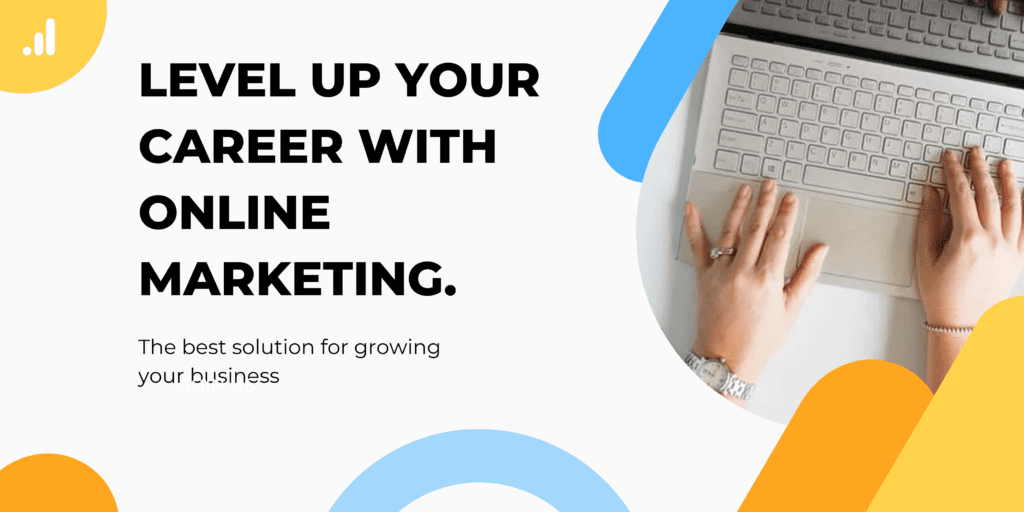
The future is evolving rapidly, and Digital marketing for career growth will be shaped by innovation, personalization, and deeper technological integration. Artificial intelligence and machine learning will enhance customer experiences through predictive analytics, chatbots, and dynamic content delivery. Voice search and smart assistants like Alexa and Siri are changing how users discover information, requiring new SEO strategies. Short-form video platforms such as TikTok, Instagram, and YouTube Shorts are dominating content trends. Technologies like AR and VR will create immersive experiences, especially in retail and real estate sectors. Additionally, the shift toward a cookieless future will increase reliance on first-party data and ethical tracking methods. As consumer expectations grow, marketers must adapt quickly, leverage automation, and stay innovative to succeed.
Conclusion
Clicks, conversions, and careers — are the three pillars that shape the spirit of digital marketing transformation. Digital marketing is no longer just a powerful tool for business, it’s also a pathway for defining careers for millions of people. In a world of screens and data, whether you’re a business owner with ambitions for growth, a student discovering your marketplace for the future, or a professional seeking a transition, digital marketing beckons with transformation, engagement, and income. As we move into the next era, grasping at the digital wave at scale- with skill, creativity, and curiosity , enables real opportunities within a world, where everything is a click away.