ADVANCE GRAPHIC DESIGNING TECHNIQUES IN 2026
Stay ahead of the curve in a rapidly changing design world, and graphic designing continues to evolve with new techniques and trends. As we step into 2026, advanced methods are redefining how designers create impactful visuals. Whether you are an experienced professional or planning to join a course, understanding these trends helps you stay competitive.
Moreover, continuous learning can set you apart in a highly competitive industry. Therefore, enrolling in a graphic designing course becomes a strong step toward mastering future-ready skills. As a result, you can enhance creativity, improve expertise, and secure your position in the design field.

1. Embracing 3D Design and Realism
3D design is no longer a trend, and graphic designing now relies heavily on it for modern visuals. Today, designers use 3D elements in ads and product mockups to add depth and realism. As a result, visuals feel more engaging and immersive for audiences.
Moreover, tools like Blender, Cinema 4D, and Adobe Dimension make it easier to create and experiment with 3D models and rendering. Therefore, designers can produce high-quality visuals more efficiently than ever.
Why It Matter in 2026
• Firstly, graphic designing with 3D improves user interaction by offering realistic and engaging visual experiences.
• Moreover, it creates rich experiences, especially in virtual and augmented reality environments.
• Additionally, it enhances product presentation through realistic textures and advanced lighting effects.
Therefore, if you want to excel in this field, consider enrolling in a graphic designing course focused on advanced 3D software.
2. Dynamic Motion Graphic
Motion graphics continues to dominate the digital platforms. From social media ads to explainer videos, animations breathe life into static designs. Kinetic typography, seamless transitions, and looping animations are in hot demand for storytelling.
Tools To Explore:
•Adobe After Effects: For professional grade animations.
•Lottie: For lightweight animations in web and mobile applications.
•Figma Plugins: To incorporate motion into UI/UX design.
Pro Tips:
Combine motion graphics with storytelling to make your designs more engaging and memorable.
3. The Rise of AI-Powered Design
Artificial Intelligence (AI) is changing the game in Graphic Design Course. AI enables the automation of repetitive tasks, suggests design improvement, and can even create a layout. Products like Adobe Firefly and Canva’s Magic Design make integrating AI seamless for designers.
Key Applications:
• Firstly, graphic designing now includes automated background removal and advanced image editing through AI tools.
• Moreover, unique design templates can be generated based on user preferences and requirements.
• Additionally, AI increases personalization in marketing campaigns, making visuals more relevant and engaging.
Therefore, a modern graphic designing course includes AI modules, helping designers integrate these technologies into their creative process.
4. Inclusive Design Principles
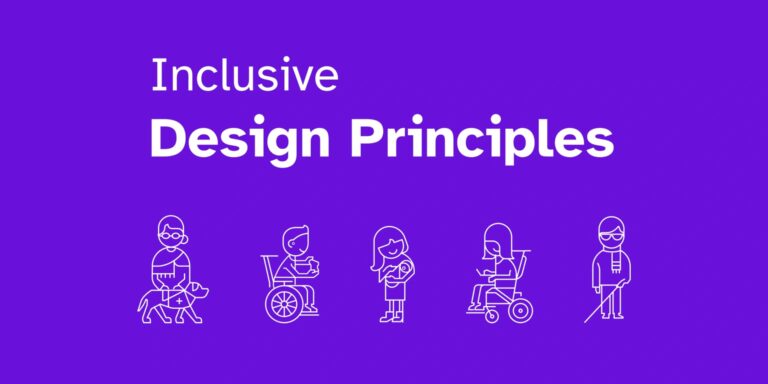
With diversity and inclusivity in the world, it is no longer optional to be inclusive in design. Visuals must resonate with people of all backgrounds, abilities and cultures. This includes considerations for color contrast, font legibility and cultural sensitivity.
Practical Steps:
• Firstly, use accessibility checkers to evaluate your designs and ensure they meet usability standards.
• Moreover, incorporate diverse imagery that represents different demographics and user groups.
• Additionally, make sure your designs work smoothly across various devices and platforms.
Therefore, by adopting inclusive practices in graphic designing, you expand your audience and create a more equitable digital experience.
5. Experimental Typography
Typography in 2026 is bold, playful and unconventional. Designers are pushing the boundaries of type by blending text with imagery, using variable fonts, and experimenting with kinetic typography.
For any student enrolled in a Graphic Designing Course, mastering typography is one of the core skills that can be elevated with practice and experimentation.
6. Sustainable Design Practices
Sustainability has become a priority for industries, including graphic design. Eco-friendly practices represent your brand well and resonate with many consumers today.
How to Implement:
• Material waste reduction through the use of digital mockups
• Implement environmentally friendly printing in physical designs
• A minimalist approach to designs reduces visual clutter as well as the ‘digital load’.
Including sustainable features with the project demonstrates a sense of responsible ethics and distinguishes you as a good designer who cares for society.
7. Immursive Augmented Reality Experiences
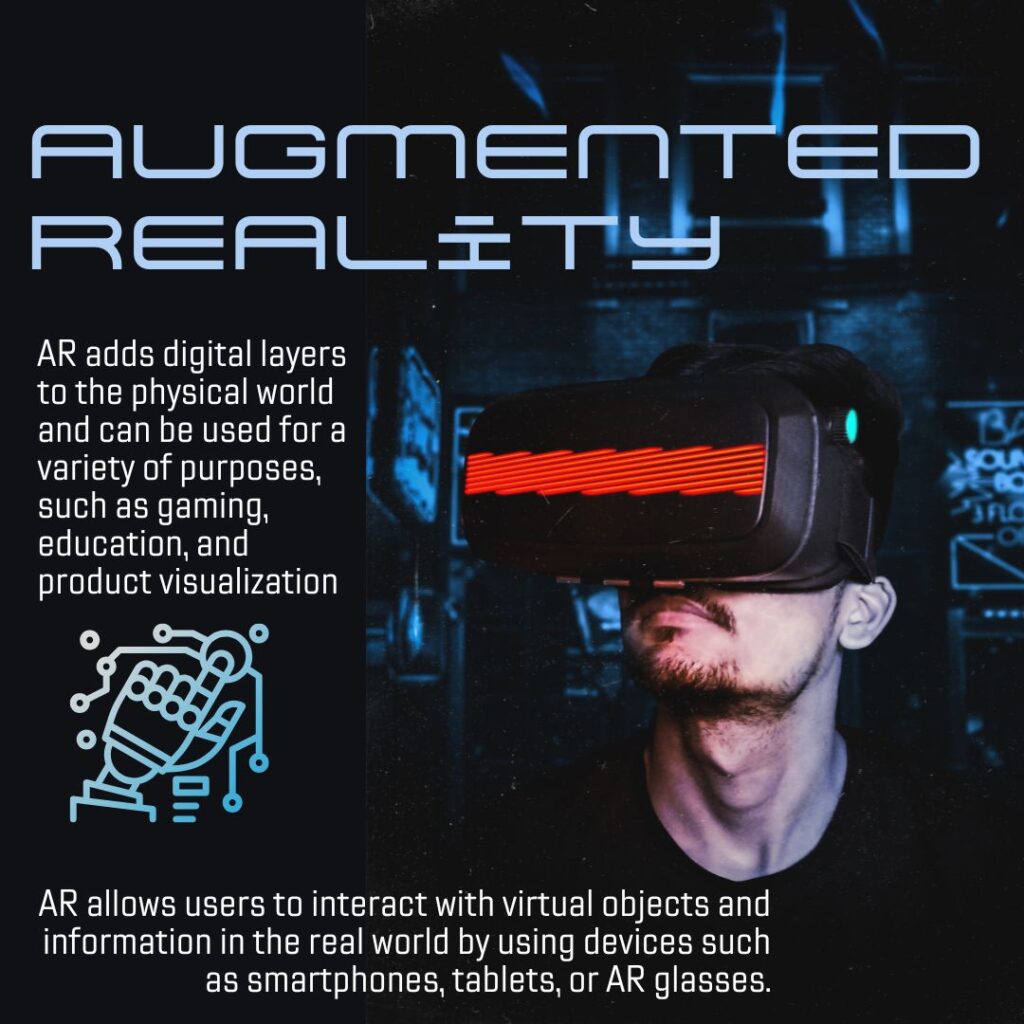
AR technology is filling that gap between the physical and the digital world of design. An interactive product catalog or an AR filter for social media, with this technology, innovation has endless possibilities.
Boost your confidence and fluency with our comprehensive Spoken English Course, designed to make you proficient in no time!
Real-World Applications:
Retail: Virtual try-ons and previews on products
Education: Interactive learning material
Entertainment: Engaging AR filters and games
Learning the design techniques of AR through a Graphic Designing Course can give exciting new job opportunities in such an exciting field.
8. Data-Driven Design
Data visualization is becoming more dynamic in graphic designing, making complex information easier to understand. Designers now use advanced tools to convert data into clear and engaging visuals. Moreover, formats like interactive dashboards, animated graphs, and rich infographics improve clarity and user engagement.
As a result, audiences can quickly interpret insights, making data more accessible and visually appealing across digital platforms.
Tools for Data-Driven Design
• Firstly, Tableau helps create interactive and insightful visualizations.
• Moreover, Flourish enables animated and embeddable data stories.
• Additionally, Power BI allows you to build professional-grade dashboards.
Therefore, combining technical skills with creativity in graphic designing helps you create visuals that both inform and engage your audience.
9. Minimalism With a Twist
While minimalism is still a popular trend designers are putting their own unique twists on it to keep it fresh. This includes vibrant colors, unexpected textures and dynamic layouts within a minimalist framework.
Key Elements:
•Bold and bright accent colors
•Organic shapes and patterns
•Negative space used creatively
Minimalist designs are really versatile and also timeless, a very valuable asset for any graphic designer.

10. Building a Personal Brand as a Designer
Standing out in 2026 isn’t just about mastering techniques; it’s also about building your personal brand. A strong portfolio, active social media presence and unique style will set you apart in a competitive market.
Tips for Success:
•Showcase your best works on platforms such as Behance and Dribbble.
•Stay connected with design communities on various social media groups and forums
•Keep learning or upgrading by being enrolled in the Graphic Designing Course or the workshops.
11. The Power of Collaboration in Graphic Designing
Innovation in 2026 will depend heavily on collaboration, and graphic designing now requires strong teamwork across different roles. Designers must work closely with developers to build interactive websites and with marketers to create effective campaigns. Moreover, clear communication and coordination are essential for delivering successful projects.
Therefore, learning tools like Figma and Adobe XD in a graphic designing course helps prepare you for real-world collaboration. As a result, you gain practical experience in teamwork, improve workflow efficiency, and become industry-ready.
12. Explore the Role of AI in Design Tools
AI tools are becoming essential in graphic designing in 2026, as they help automate repetitive tasks and improve efficiency. Designers can now quickly resize images, generate mockups, and create templates with minimal effort. Moreover, tools like Adobe Firefly suggest smart design improvements based on existing layouts. Similarly, Canva offers AI-powered recommendations to enhance visual quality.
Therefore, mastering these tools through a graphic designing course helps you stay ahead of technological trends. As a result, you can work faster, improve creativity, and deliver high-quality designs more efficiently.

13. Using Colour Psychology in Design
Strategic use of colors continues to shape consumer behavior, and graphic designing in 2026 goes beyond traditional color theory. Designers now use dynamic gradients and personalized palettes to create stronger emotional connections. Moreover, understanding color psychology helps influence how audiences feel and respond to visuals.
Therefore, learning these concepts through a graphic designing course is essential for modern designers. As a result, you can create impactful designs that resonate emotionally and connect deeply with your audience.
14. The Importance of Networking for Designers
In the competitive landscape of 2026, networking plays a crucial role in graphic designing and career growth. Moreover, professionals who engage in meetups, online forums, and social media communities often discover better opportunities. Therefore, building strong connections becomes essential for long-term success.
Additionally, enrolling in a graphic designing course can connect you with industry experts and like-minded peers. As a result, you gain collaborative experiences that expand your professional network and open new career opportunities.
15. Staying Ahead With Continuous Learning
Graphic designing is constantly evolving, so staying updated with new techniques is essential for long-term growth. Moreover, trends like augmented reality, AI integration, and dynamic motion graphics are reshaping how designers create visuals. Therefore, continuous learning becomes necessary to stay competitive in the industry.
Additionally, enrolling in a graphic designing course helps you keep up with these advancements while gaining practical experience. As a result, you not only learn modern tools and techniques but also strengthen your creative and technical skills effectively.
Master advanced graphic design techniques for 2026! Enroll in our Graphic Designing Course today and elevate your creative skills.
Conclusion:
In 2026, staying relevant in the design landscape requires mastering advanced techniques like 3D design, motion graphics, and modern creative tools. Moreover, understanding these evolving trends helps you adapt to sustainable and future-ready design practices.
Whether you are an experienced professional or just starting out, enrolling in a graphic designing course can equip you with the right skills and knowledge. As a result, you not only improve your craft but also position yourself as a leader in the ever-evolving design industry.